



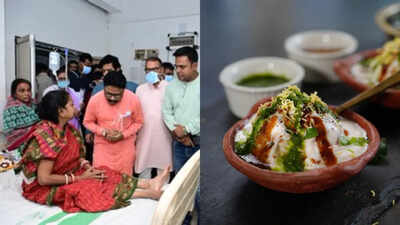
Come summer, fermented foods call for extra care. The rising temperature not only leads to faster bacteria growth but also increases the body and gut temperature by 2-4 percent, calling for cooling foods that can help avoid bacterial growth and reactions in the body. Dishes like Dahi Bara, made by fermenting dal paste and using curd, rely on the growth of beneficial bacteria, yet they also create conditions where harmful microbes can thrive if hygiene, temperature, or storage practices are poor. When items like soaked lentil dumplings and yogurt are left at room temperature for too long, contaminated water is used, or utensils aren’t clean, the risk of bacterial growth increases significantly. As a result, instead of aiding digestion, such foods can lead to stomach infections, making safe preparation and storage essential. In an unfortunate incident, at least 58 people fell ill after consuming ‘Cuttack Dahibara’ or dahi bara from a roadside vendor in Odisha’s Jajpur district. Scroll down to read the details.
What went wrong after eating Dahi Bara at street stall
According to sources, villagers ate dahi bara from a roadside vendor between 8:30 am and 9:30 am on Friday. Soon after, several of them complained of vomiting and diarrhoea. Family members rushed the affected to nearby government hospitals. As their condition did not improve, 52 patients were later shifted to the District Headquarters Hospital (DHH) in Jajpur by ambulance. The Jajpur Chief District Medical Officer (CDMO) said both children and adults were among those affected. Of the 52 patients admitted to the DHH, 25 are children and 27 are adults, while six others are being treated in the village.The PTI report states that 21 people have been discharged after treatment. Later, Odisha Health Minister Mukesh Mahaling and Jajpur MP Dr Rabindra Kumar Behera visited the District Headquarters Hospital following the incident. Also, samples of the dahi vada have been collected and sent for laboratory testing, and efforts are underway to trace the roadside vendor.
Can Dahi Bara be dangerous?
Whole dishes like Dahi Bara aren’t inherently dangerous—but in hot summer conditions, they can become risky if not handled properly. Dairy dishes need to be stored properly; otherwise, they lead to bacterial growth which can cause stomach infection, nausea, and more. Scroll down to learn what can go wrong.Rapid bacterial growth: Both yogurt and paneer are dairy-based foods and are highly perishable. In high temperatures, harmful bacteria like E. coli or Salmonella can multiply quickly if the food is left out for too long. This can lead to food poisoning.Dahi Bara at room temperature: While Dahi Bara is meant to be served chilled, at such wedding gatherings, these dishes are often served at room temperature. The combination of soaked lentil dumplings and yogurt makes it a perfect breeding ground for microbes if not refrigerated.Fermentation can go wrong: Baras are made with fermented lentil batter. If they are not stored properly in a cold space after being fried too, there are chances of the bhallas turning sour, which, when combined with curd, can cause more issues in the human gut.Contaminated water or curd: If the curd used isn’t fresh or is made with a sour starter, it can lead to bacterial growth, which can cause food poisoning. Also, if the baras are soaked in contaminated water seasoned with salt and pepper, there are chances that it can lead to severe health issues and food poisoning.

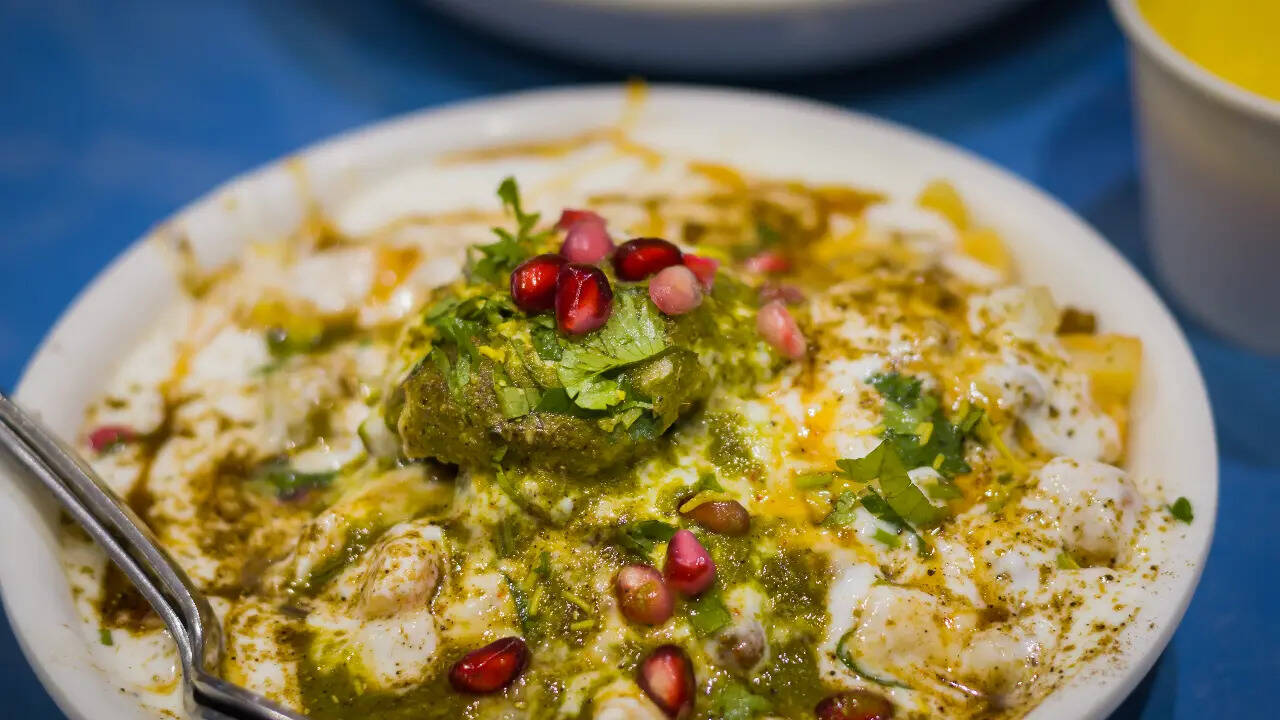
What does FSSAI say about fermented food safety
According to the Food Safety and Standards (Food Products Standards and Food Additives) Regulations, 2011, food business operators shall comply with the provisions of these regulations regarding standards.Fermented milk products: As per FSSAI, fermented milk products must contain a minimum of 2.9% milk protein by mass. Such foods should also contain a minimum acidity of 0.45% (as lactic acid).Heat treatment: As per regulations, they differentiate between fermented milks that are heat-treated after fermentation and those that are not.Safety standards: As per regulation, fermented food products must comply with afety regulations regarding heavy metals, preservatives, and contaminants as specified in the Food Safety and Standards (Food Products Standards and Food Additives) Regulation, 2011.Fermented soybean paste: As per regulation, it requires the inactivation of trypsin inhibitors (a common allergen or anti-nutrient).Probiotic regulations: According to regulation, if a fermented product claims to contain probiotics, it must meet specific criteria, often targeting a count of CFU per serving.Hygiene and safety: The regulation mentions mandatory compliance with General Hygienic and Sanitary Practices under Schedule 4 of FSSAI regulations.Images Courtesy: istock