


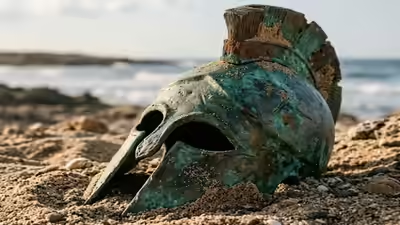
A scientific study has solved a long-standing mystery. King Philip II of Macedon is confirmed to be buried in Tomb I at Vergina. Image Credit: Gemini
Alexander the Great is a name that most history enthusiasts are familiar with. Alexander the Great was a man who conquered the world at the young age of 32. He earned the titles King of Asia, King of the Four Quarters of the World, and many others. Today, West Point and Sandhurst still require students to study his military genius. Behind the myth of the son was the shadow cast by his father, King Philip of Macedon. Philip was the man who created the war machine, which made these conquests possible. Alexander got the glory.For decades, historians and scientists have been engaged in a quiet war of words over the exact location where Philip II is buried. It was not just an interesting question; the location of Philip II’s final resting spot was also a mystery that could help us understand the violent transition of power during the Ancient World. Thanks to an innovative study, the mystery is finally solved.Cold case dating back to 336 BCEIn 1977, archaeologist Manolis Andronikos made a huge discovery at Vergina in Greece. The Great Tumulus is a mound of three beautiful tombs. As the world rejoiced in the discovery, an intense debate broke out. Which tomb was Philip II in? Scholars argued for years over whether Philip II was buried in Tomb I or Tomb II. It was a high-stakes game because the contents of the tomb provided a lot of information about Philip’s death in 336 BCE.An international team of experts from Spain, the U.S. and Greece conducted an extensive investigation to clear up the confusion. The Journal of Archaeological Science: Reports published their findings, which provided definitive evidence that the world had been waiting for. The team used modern forensics tools such as high-resolution images and detailed dissections of bones to move beyond mere guesswork.The study confirmed Tomb I as the last home of King Philip 2. These skeletal remains reveal a sad story. The male skeleton had signs of severe injury to the knee, matching historical reports of an injury Philip received during a fight. He wasn’t the only one. Cleopatra, his wife and the infant they had just born were also buried in this tomb. The discovery is in line with dark historical accounts that claim the couple were killed shortly after Philip died to ensure Alexander’s right to the throne.

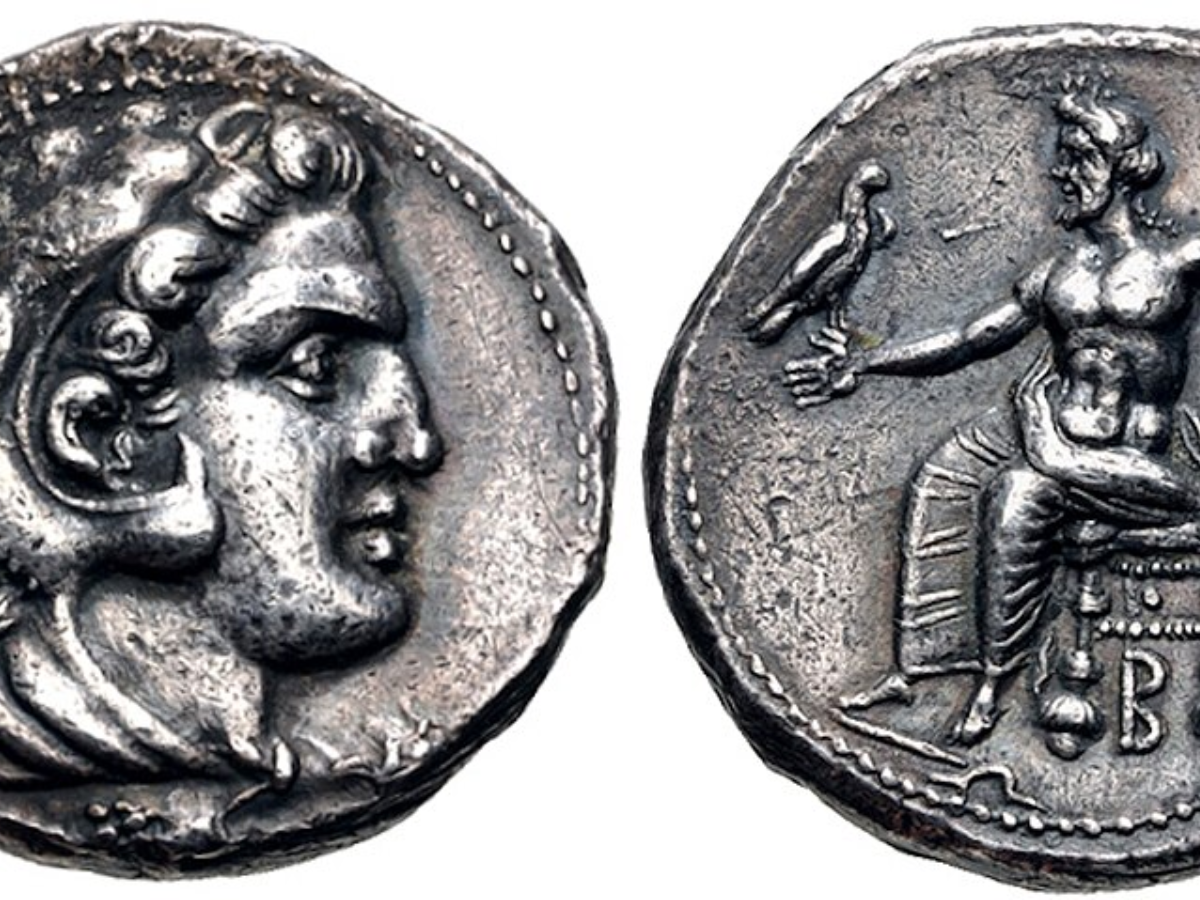
It reveals injuries matching historical accounts of Philip’s life. The findings also identify other royal burials, including Alexander the Great’s half-brother and son. Image Credit: Wikimedia Commons
Relaxing in the company of royaltyResearchers were able to determine the identities of other royals in the complex after solving the mystery surrounding Tomb I. Many believed for a very long time that Tomb II was the tomb of Philip II due to the luxurious armour inside. The new forensic evidence suggests that the tomb is not Philip II’s. The research suggests that Tomb II belongs to King Arrhidaeus – Alexander’s half-brother- and Adea Eurydice, a powerful warrior who was married to him.Tomb III has now been identified as Alexander IV’s final resting place. The teenage son of Alexander, he was caught up in the chaos of an empire that crumbled and was killed before achieving his father’s status. Identification of the remains provides a rare and intimate glimpse into a family that changed human history, but at great cost.It is difficult to understate the importance of this site. In 1996, it was declared a UNESCO World Heritage Site because of its importance to the shared history. Vergina is a town that was once the capital of Aigai. It serves as a link between myths in books and reality for the people of Aigai.This discovery is important todayThe forensic evidence makes these characters feel very real. The old battle wounds of an ageing king and a tragic ending for a young prince are revealed. The research doesn’t only concern bones, but also the man Philip II, who transformed a small kingdom into an international superpower.This new evidence reminds us that while Alexander the Great will always be at the top of the list for military legends in history, his path began with his father. These archaeologists’ work ensures Philip II will no longer be a footnote to his son’s biography. Finally, he has his place in the spotlight. He is exactly where history said he would be.When we see the Aigai ruins today, it’s not just cold stone. The saga of the Macedonian family is coming to an end. It may have been solved, but fascination with the House of Macedon has only begun a new phase.