


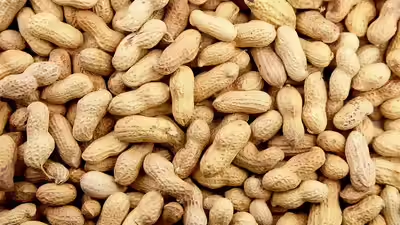
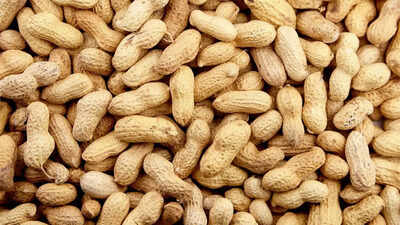
Revolutionising the synthesis of graphene as an alternative to conventional graphite for lithium-ion batteries, UNSW Sydney scientists have created a highly efficient and cost-effective method for transforming low-value peanut hull waste stockpiles into high-quality graphene for batteries through innovative flash Joule heating technology. The process produces super-conductive graphene nanomaterials in just seconds and could dramatically reduce the manufacturing costs of electric vehicle batteries and portable electronics, while also providing an economic path to generating additional revenue for farmers in peanut-producing countries.This innovation represents a significant step towards developing circular economy models and developing more environmentally friendly energy storage systems that demonstrate that peanut hulls can be used as a viable energy source for the future of advanced technology, digital infrastructure and environmentally sustainable industrial innovation.
Transforming peanut shell waste into ‘green’ graphene
Researchers from UNSW Sydney have developed a sustainable technique for transforming peanut hull waste into high-quality graphene through a two-step thermal process: first, pre-treating the shells at 500 degree Celcius to create a carbon-rich char, followed by Flash Joule Heating at 3,000 degrees Celsius to rearrange atoms into conductive graphene. The UNSW technique differs from traditional methods of carbon generation, which are highly energy-intensive and chemically intensive, because of its utilisation of a high-voltage electrical current passing through the agricultural waste, producing conductive graphene in seconds. In addition to addressing the millions of tonnes of groundnut waste generated yearly, this process creates an important and valuable raw material for the electronics industry.
Why scientists turn peanut shell waste into graphene
A main purpose of doing this research is to increase the demand all over the world for more efficient methods of storing energy. Graphite is used in traditional lithium-ion batteries as the anode material; however, there is either the expensive process of mining natural graphite or the high cost involved with producing synthetic graphite through the use of chemicals. The researchers have developed a method for producing high-quality graphene, an excellent substitute for graphite, from processed peanut shell waste and using this material to produce anodes that are more durable due to having a higher surface area, which should allow for additional energy storage. Laboratory examinations have verified that these peanut-derived graphene sheet anodes have superior conductivity and are more stable than conventional graphite sheet anodes. Therefore, cell phone batteries may charge at much faster rates, and there will be an increase in the longevity of electric vehicle battery cells.
Solving the 15-million-tonne waste crisis through sustainable energy storage
The environmental ramifications of the current document could be one of the more significant findings in this research effort. According to the scientific journal Chemical Engineering Journal Advances, globally, annual peanut production has reached nearly 58 million tonnes in 2026, generating approximately 15 million tonnes of shell waste that is currently underutilised; a lot of this material ends up being either incinerated or left to rot away in landfills, thereby producing greenhouse gases. This study shows how the peanut shell waste produced from the peanut production process can be diverted and utilised within a ‘circular economy’ model. In addition to being used for energy production through thermal processes, the conversion of the peanut shell waste into conducting nanomaterials can assist the growing graphite industry in having less dependence on the non-recyclable mined graphite. The study also shows that the resulting ‘Green Graphene’ exhibits high electrical conductivity and can be produced at an incredibly low energy cost of just 1.30 US dollars per kilogram, making it a commercially viable alternative to synthetic graphite.