


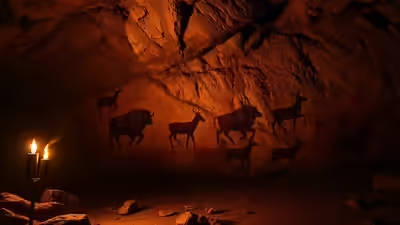
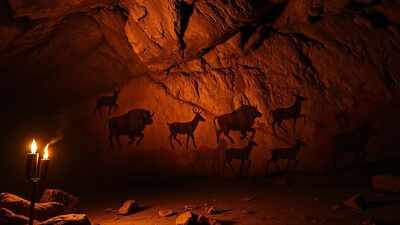
It was a beautiful day in September in rural France; a walk in the woods turned into something more when Marcel Ravidat, an eighteen-year-old young man, along with three of his peers and their pet dog named Robot, were roaming the area around Montignac in 1940. It all happened when Robot began to investigate a hole made by the uprooted tree. Curiosity piqued the interest of the youths, who decided to enlarge the hole to make it appear that it opened up into a tunnel or a hiding place.Indeed, what they discovered turned out to be invaluable. While exploring the cave, the group entered an enormous underground space. Illuminating the surroundings with the help of torches, they were astonished at what they saw – walls decorated by a number of running animals depicted in bright colours. What they could not imagine then is that these people happened to be the very first individuals who, unknowingly, discovered the “Sistine Chapel of Prehistory,” which has lain there for some 17,000 years.Discovery of the Lascaux cave: The most important archaeological site on earthThe news of the Lascaux Cave stunned the world of scientists due to the amazing quality of the drawings there. But what the adolescents could not know was that this was not some kind of sketches or drawings; rather, these were pieces of work, demonstrating the creativity of early humans. Indeed, according to the research document entitled “The Four Discoverers” on the official website of Lascaux, the youths were trying to keep their findings secret initially.Inside the cave, there are about 2,000 drawings, which include horses, deer, and the famous Great Hall of Bulls. All of the drawings were done using minerals like red ochre and black charcoal, thus exhibiting impressive perspective and movement skills. Researchers consider the Upper Palaeolithic people to be much more sophisticated artists than previously believed. The cave appears to be an enormous sanctuary decorated with various artworks.

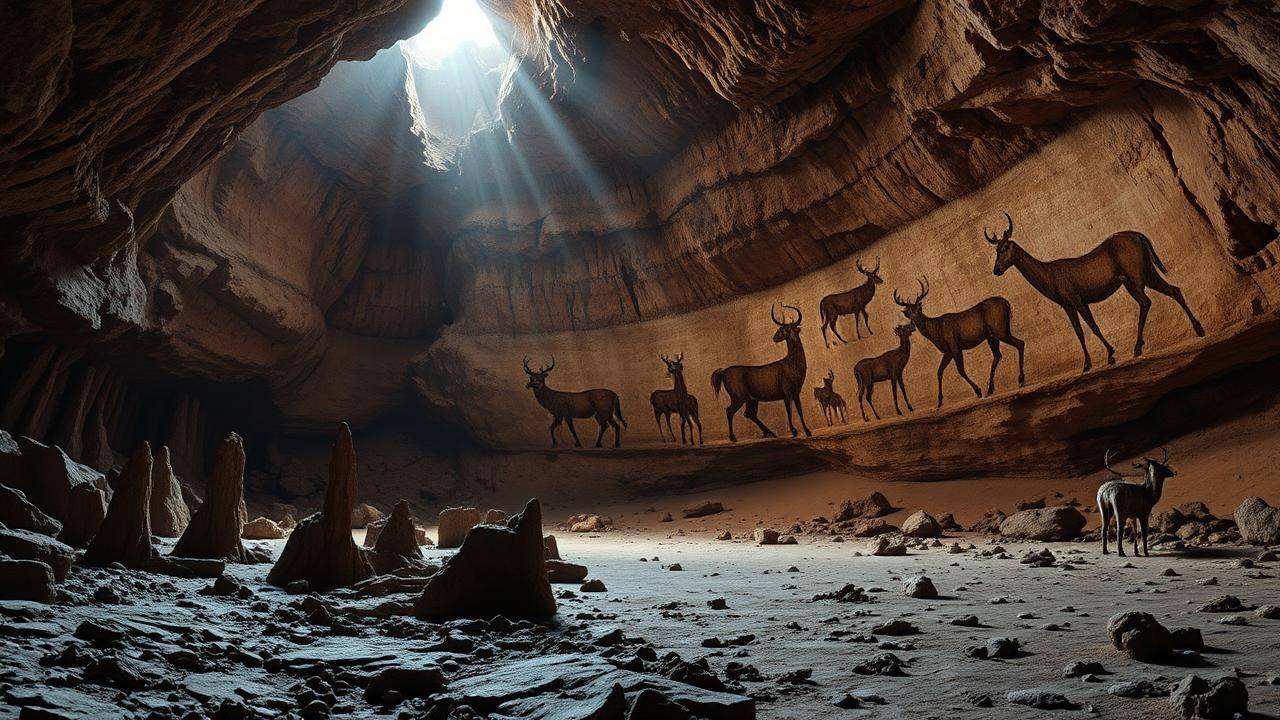
This remarkable find showcased the sophisticated artistry of early humans and became a pivotal archaeological site.
The location is expansive and simply breathtaking. In the UNESCO report on the Prehistoric Sites and Decorated Caves of the Vézère Valley, it is described as the epitome of Palaeolithic art, which is one of the few glimpses into the ancient European fauna of the Ice Age and its significance in terms of understanding our past and symbolism. It should be kept in mind that often the most astonishing discoveries come from the most unexpected locations. Even such an astounding find was made by four children and their dog.Preserving a delicate heritage for future generationsThe area became popular, but the popularity brought with it a daunting task. Once the cave became available to tourists after the war, thousands of people would enter daily to see the artwork. The presence of people in the cave began to change its delicate balance, with the carbon dioxide and moisture from their breathing causing crystal and mould formations on the limestone walls.To save the art, authorities made the difficult decision to close the original cave to the public in 1963. This led to a new era of heritage management where high-tech replicas were built nearby. These “facsimiles” allow visitors to experience the wonder of the paintings without damaging the originals. It is a preservation model that is now used all over the world, proving that we have to be as clever at protecting the past as our ancestors were at creating it.Today, it is considered one of the most beloved tales amongst the explorers and historians. This narrative is formed on an event which may seem trivial but transforms the whole plot. Marcel and his friends did not have any maps or history to guide them. All they had was the zeal to explore and discover new things, along with a curious canine companion.