


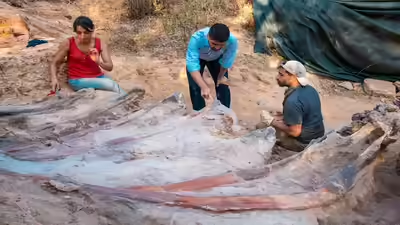
Construction work in Pombal, Portugal, unearthed a colossal dinosaur skeleton. This sauropod, possibly Europe’s largest, measured 82 feet long and 39 feet high. Image Credit: Instituto Dom Luiz (Faculty of Sciences of the University of Lisbon) (Portugal)
It is usually the most seemingly ordinary things that lead to some of the biggest revelations. In 2017, an individual from the Portuguese city of Pombal just wanted to continue with the construction work that was being done at his house. As the excavation process was beginning, it became clear that there was much more under the ground than the usual soil and solid rock formations. The bones which were found seemed to be way too huge for those belonging to any existing creature.It was not just one or two bones. Buried underneath the garden soil was the skeleton of a sauropod, which is a dinosaur species known for its long neck and huge size. The family lived their normal lives right on top of a dinosaur that scientists believe may turn out to be the biggest dinosaur ever found in Europe.Monster of a creature living in a sleepy neighbourhoodUntil numbers reveal the size of the Pombal dinosaur, it may seem hard to imagine what an amazing discovery it would be. Based on information provided in the research update titledLargest dinosaur skeleton in Europe might have been found in Portugal from EurekAlert, this dinosaur measured around 39 feet high and 82 feet long, which is about twice the length of a school bus. This dinosaur belongs to the genus of Brachiosaurid sauropods.The other fascinating aspect of this finding lies in the way the skeleton was discovered. Usually, such fossils are scattered over several million years through scavengers and natural erosion. On the contrary, in this case, the entire rib cage was found in its exact anatomical position. It feels like the dinosaur fell asleep on its own, and all that remained was to wait until some construction workers unearthed it. Such is the level of fossilisation that scientists could observe the ribs in the place where the living creature had them.

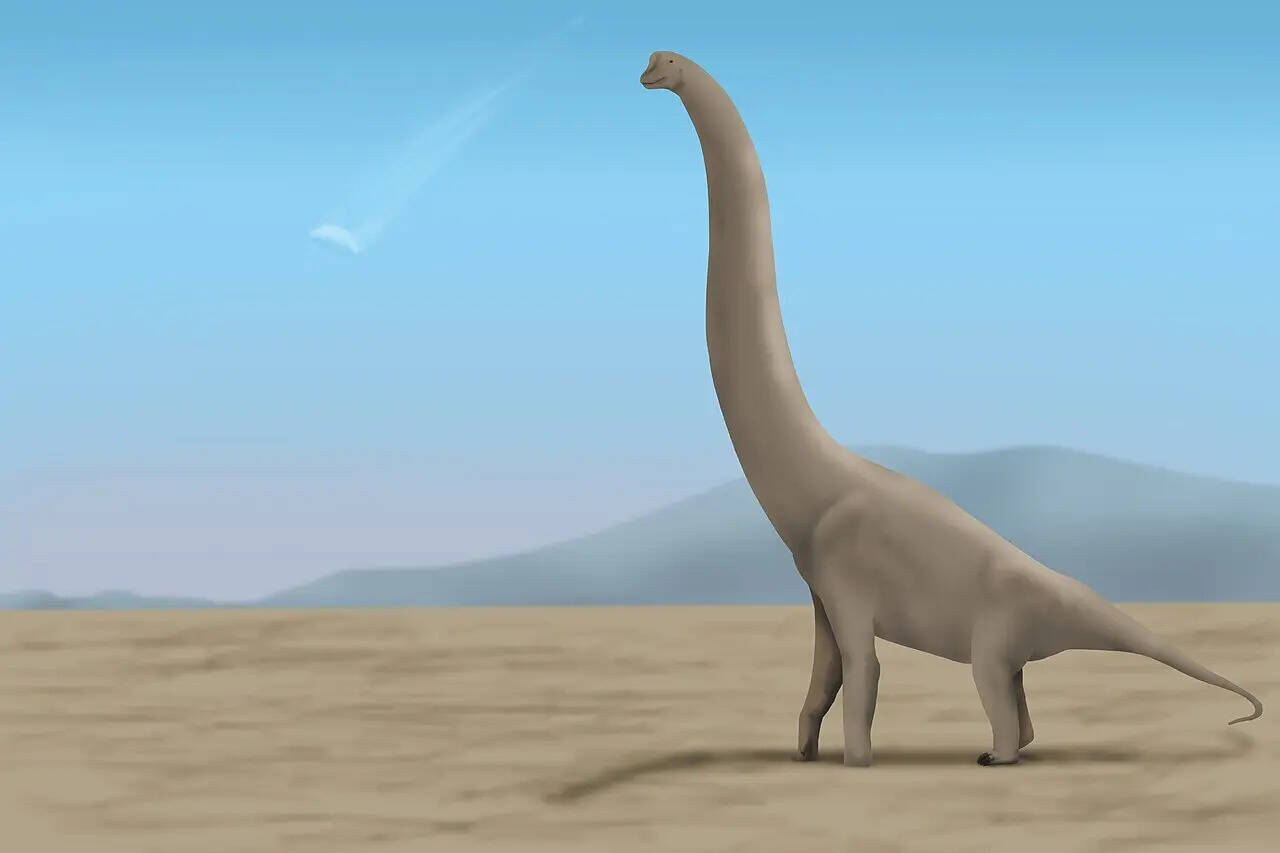
This discovery highlights Portugal’s rich prehistoric past and the potential for ancient wonders beneath ordinary backyards. Image Credit: Wikimedia Commons
Why your backyard could be a treasure trove from prehistoryThe findings have revolutionised the understanding of the prehistoric landscape in the Iberian Peninsula. As per a report in CBS News, the fossil record of the area of Pombal has turned out to be extremely rich in information. It indicates that Portugal was actually home to one of the most diverse types of large animals on earth.The fact that such a monumental specimen was found in a domestic garden proves that the past is never truly gone; it is often just inches beneath our feet. For the scientific team, the project is far from over. Because the bones were so well-preserved, they believe the rest of the skeleton is likely still buried nearby, waiting for the next phase of the dig. It turns a quiet residential street into one of the most important archaeological trenches in the world.In today’s times, the Pombal dinosaur is a sign that we are all living atop the histories that came before us. In carrying out our day-to-day activities, such as planting vegetables or constructing sheds, we could find ourselves treading on remnants from an era which we cannot even begin to comprehend. It gives even the most ordinary spaces an element of the extraordinary.The idea that in all those years, all that silence in the garden had been housing a giant is mind-blowing. It makes one feel that looking at one’s own backyard with an element of intrigue and curiosity is necessary, since there might be surprises hidden underground.