


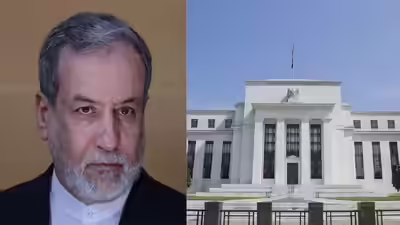
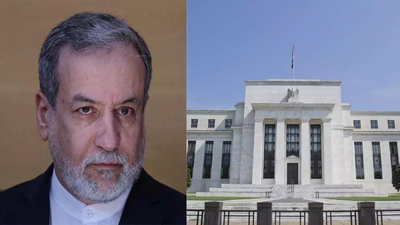
Iranian foreign minister Abbas Araghchi warned that Americans would soon face the economic fallout of the escalating US-Iran conflict, arguing that rising debt costs, mortgage rates and consumer financial stress were the “real pain” of what he described as a “war of choice” against Iran.In a post shared on X on Saturday, Araghchi wrote, “Americans are told that they must absorb rocketing costs of war of choice on Iran. Put aside gas price hike and stock market bubble. Real pain begins when US debt and mortgage rates start to jump. Auto loan delinquencies are already at 30+-year high. This was all avoidable.”He shared a market snapshot showing a sharp rise in US Treasury bond yields. For context, a treasury yield is the return investors earn for lending money to the US government by buying Treasury securities such as bonds, notes or bills.The benchmark 10-year US treasury yield climbed to 4.555%, while the 30-year yield rose above 5% to 5.096%, according to market data. The 2-year treasury yield, which closely tracks expectations around Federal Reserve policy, also jumped to 4.065%.Rising treasury yields generally signal that investors expect higher inflation and tighter financial conditions. Analysts say fears of disruption to Middle Eastern oil supplies, particularly around the Strait of Hormuz, have intensified concerns that energy prices could spike sharply if tensions escalate further.Higher oil prices can ripple through the broader economy by increasing fuel, transportation and manufacturing costs, eventually pushing up consumer prices. Elevated Treasury yields also translate into higher borrowing costs for mortgages, auto loans and business credit across the United States.Araghchi’s comments also referenced mounting pressure on American consumers, particularly in the auto sector, where loan delinquencies have already climbed to their highest levels in decades amid high interest rates and persistent inflation.The Iranian foreign minister’s warning comes as tensions between Washington and Tehran continue to dominate global markets, with investors increasingly pricing in the economic risks of a prolonged confrontation in the Middle East.