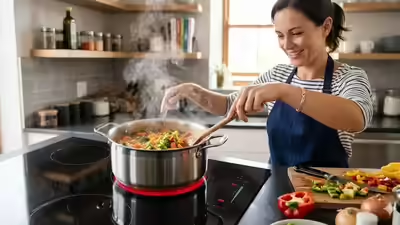

Induction cooking is becoming more common in modern kitchens. Many households are starting to try it out, especially as gas supply disruptions and rising fuel prices push people to look for alternatives. An induction cooktop looks simple on the surface. But the cooking experience can feel quite different at first. People who are used to gas burners often rely on visual cues like the flame size to control heat. With induction, those cues disappear. The heat reacts quickly, and the cooktop stays mostly silent. Still, once you understand how it works, induction cooking can be fast, efficient, and surprisingly precise. A few small changes in cooking habits usually make the transition much easier. These simple induction cooking tips can help beginners get comfortable and start using their cooktop more effectively.
LPG cylinder supply shortage: Induction cooking tips to avoid common mistakes
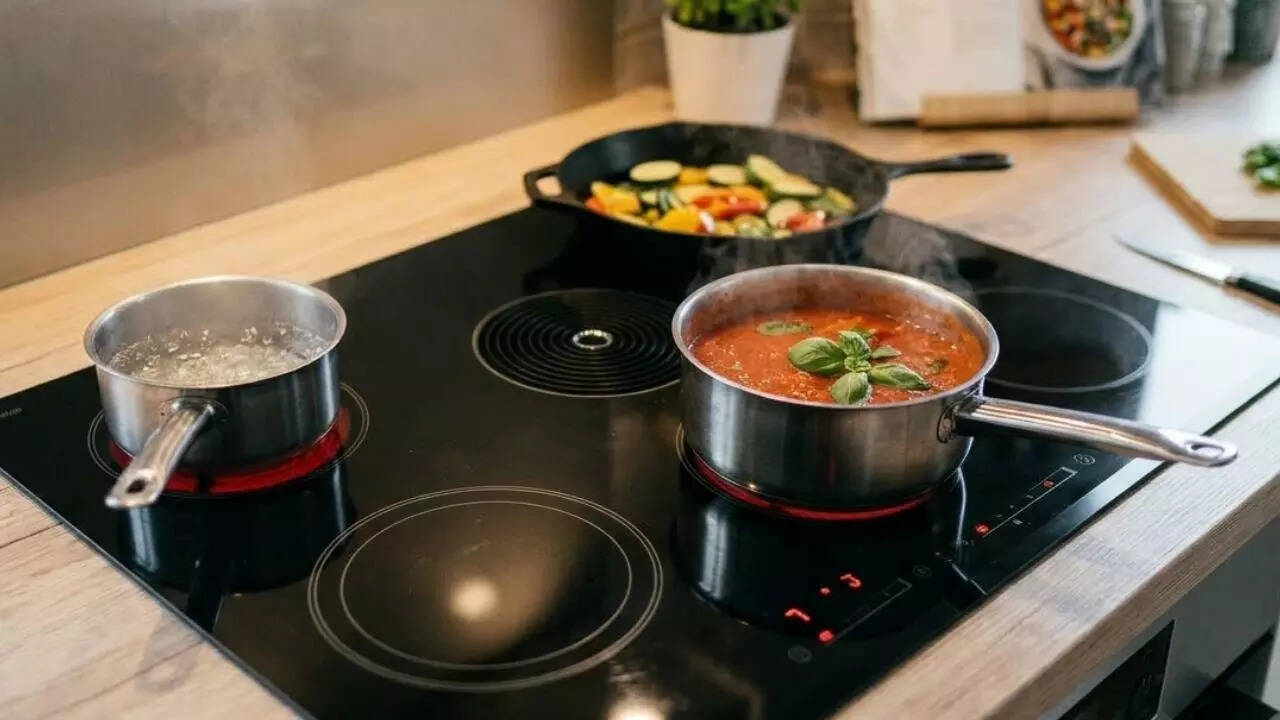
PC: AI Generated
- Learn to cook without a flame
One of the biggest adjustments is learning to cook without a flame. Gas stoves give instant visual feedback. A bigger flame means more heat, but a smaller flame means less heat. Many people naturally rely on this visual signal while cooking.Instead, heat levels are controlled using numbers or digital settings. At first,t this might feel a bit abstract. A setting of “5” or “7” does not mean much until you use it several times. Pay attention to the food instead of the burner. The sound of oil heating, the smell of spices, or the way ingredients begin to sizzle in the pan can give clear signals about the temperature.
- The cooktop may feel too quiet
Another small surprise is the lack of sound. Gas burners make a noticeable flame noise. Electric coils can hiss or buzz slightly. Induction cooktops are mostly silent while running. Some people initially think the cooktop is not working.Certain pans may produce a soft humming or buzzing sound when used on higher power settings. This tends to happen because of the magnetic interaction between the pan and the cooktop surface. Lowering the heat level slightly often reduces the noise.
- Heat changes happen very quickly
Induction cooktops respond almost instantly when the heat setting changes. That is quite different from gas or electric cooking, where heat levels take time to adjust. With induction, increasing the heat can raise the pan temperature within seconds. Reducing the heat works just as quickly. A boiling pot can quickly be turned down to a gentle simmer.Still, beginners sometimes find that food cooks faster than expected. Starting with moderate heat usually helps. Once you understand how your cooktop reacts, adjusting the temperature becomes much easier.
- Use cookware that works with induction
Induction cooking relies on magnetism. Because of this, not all cookware will work properly. Pans must have a magnetic base in order to heat up on an induction surface. Stainless steel cookware generally works well. Cast-iron pans are also commonly used. Enamel-coated steel cookware is another reliable option.Lightweight aluminium, glass, and ceramic cookware usually will not heat on induction unless they have a special magnetic layer. Heavier pans tend to perform better, too. They distribute heat more evenly and respond more steadily to temperature changes. Another small detail matters as well. The base of the pan should be close to the size of the cooking zone. If the pan is too small or too large, heat transfer might not work as efficiently.
- Adjust your cooking habits slightly
Heating an empty pan on high power can cause the cookware to overheat quickly. Because induction heat builds so fast, it is usually safer to start with a lower setting. Add ingredients first. Then gradually increase the heat if needed. Cooking at a slightly lower temperature can lead to better results for some dishes. Covering pots with lids can also accelerate the cooking process by capturing heat and steam.
Avoid a few common beginner mistakes
Many first-time users make similar mistakes when they start cooking on induction.
- Turning the heat to the highest level immediately is one of the most common ones.
- Another issue is walking away while the pan is preheating. Since induction heats so quickly, food can burn faster than expected.
- Using incompatible cookware is also a frequent problem.
- Preparation becomes more important as well. Because induction cooking happens quickly, it helps to have ingredients chopped and ready before turning the cooktop on.
- Once people get used to these small differences, induction cooking usually becomes much easier.
After a while, the quiet efficiency of an induction cooktop starts to feel completely normal in the kitchen.