



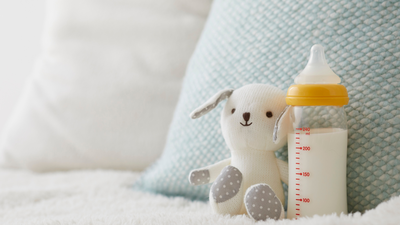
Every day in my clinic, the first advice I give to new parents is to breastfeed. Breast milk is designed for your child immunologically, nutritionally and developmentally. It is the single best thing you can do for your infant’s health.But, sociocultural trends in urban India tell a different story. Nuclear families with both parents working and no help at home is increasingly becoming a widespread phenomenon. Bottle feeding with formula, especially in the second half of infancy, has become far more common than we’d like. When parents do reach for a bottle, most focus on what goes inside it. Fewer ask about the bottle itself.They should. Because, a growing body of science now suggests that the container may be quietly adding something to your child’s feed that you never intended.

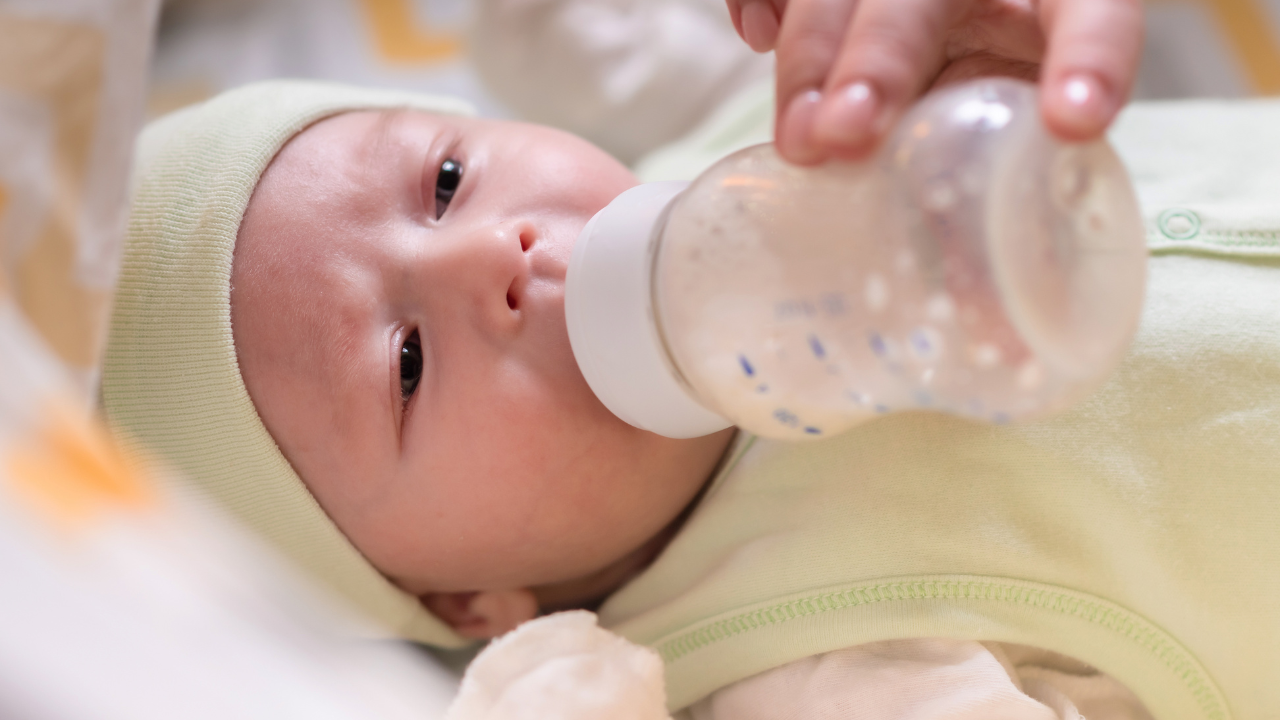
Last week, the Supreme Court of India refused to interfere with a Madras High Court directive ordering FSSAI to mandate warning labels — in bold red — on PET bottles and plastic packaging for water, salt and sugar, flagging the possible presence of micro- and nanoplastics. The bench of Justices Vikram Nath and Sandeep Mehta was unequivocal. Even if the government had been slow to act, the court observed, the High Court’s position was grounded in science. When the highest court in the country endorses the warning about plastic packaging, parents deserve to know what the research says. Not tomorrow. Now.For years, the bottle conversation started and stopped at BPA, or Bisphenol-A, an industrial chemical used to harden plastics and line metal food cans. What has come to light since is far more unsettling. Scientists are now tracking microplastics, nanoplastics, phthalates, bisphenols and a whole family of chemicals that can leach into milk and formula when plastic is heated, sterilised, scrubbed hard, or simply used for too long. And in infants, who are still developing organs and whose immune systems are still learning what to battle, the stakes aren’t the same as for you and me. A landmark 2020 study in Nature Food led by researchers from Trinity College Dublin found that polypropylene feeding bottles can leach an average of 1.6 million microplastic particles into formula during routine preparation. 1.6 million. Let that sink in. Every single day. The research did not establish that those particles cause disease. But they showed that they can reach the child. Glass, it should be said, doesn’t lose a single particle under any of these conditions. A 2025 review in The Lancet Child & Adolescent Health echoed this, outlining how plastic exposure starts prenatally, even before birth; and how it has been linked in the literature to reduced I.Q., disrupted hormones, increased likelihood of ADHD and obesity. Other peer-reviewed research has detected microplastics in newborn meconium, in placenta, in breast milk and in formula. I have read these papers. It is hard to argue with these trends. Plastic is already part of a child’s biology by the time they are born.
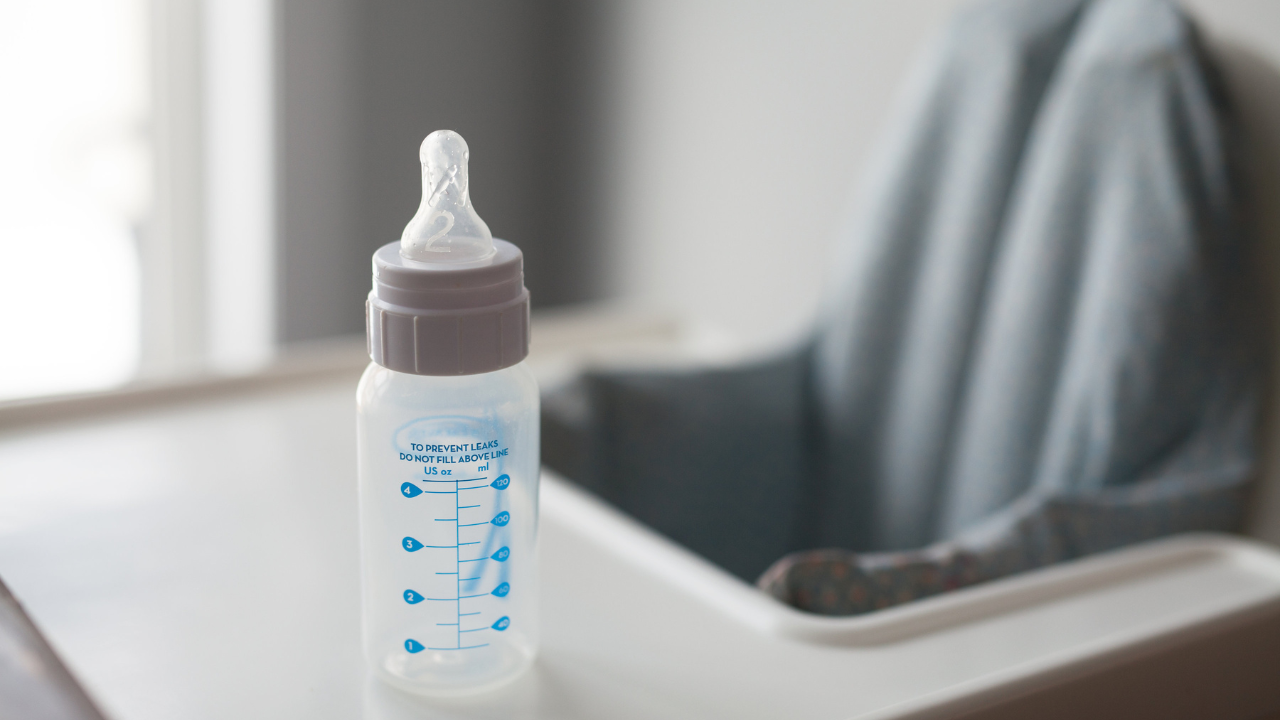
And “BPA-free”? That label, I fear, provides less solace than most parents think. The American Academy of Pediatrics’s own 2018 policy statement noted that food-contact materials continue to expose children to phthalates, bisphenols and perfluoroalkyl substances known to have endocrine effects. Alternatives to BPA like BPS and BPF haven’t been proven harmless, either. The Academy has gone even farther, pushing substitutes for plastic, like glass, whenever feasible. In their framing, Glass is the gold standard. Water tells a similar story. A Nagpur study in 2024 found microplastic contamination among bottled water brands, whether large or small. Every sample tested positive. Think about that. This is the water we add to formula. A 2025 Generation Plastic report from UNICEF has also identified India as one of the countries in which children are at especially high risk.
So what should parents do?
Breastfeed first whenever possible. But when a bottle is genuinely needed, the material matters. Glass does not leach. It does not degrade. It does not absorb odours or shed particles with age. What you pour in is exactly what your child drinks. Nothing added by the container. The Cleveland Clinic has recommended storing milk in glass and pouring it into the bottle only at feeding time to minimize plastic contact. WebMD notes that glass bottles last longer, can be boiled for a deep clean, and carry none of the chemicals associated with plastic. The downsides of glass are real but they are practical, not medical. It is heavier. It can break. It does not, however, pose a health risk.The full story on chronic microplastic exposure is still being written. But , as a paediatrician, who sees these children every day, I believe we already know enough. A feeding bottle is not a neutral object. It sits in your child’s mouth for hours. It is heated, cooled, washed and reused day after day. It is as much a part of your child’s environment as the air in their room. What that lifeless companion is made of matters more than most parents realize.If I could leave parents with one thought, it would be this. Breastfeed your child, because he or she deserves the best. If you are left with no choice but to use formula, choose a glass bottle where practically possible. It is the one material that has passed every test of science.(Dr.Rohit Arora , Director, Neonatology Cloud nine Hospital, Gurugram)