



Garment shipments bound for global fashion retailers, including Zara owner Inditex, have been left stranded at airports in Bangladesh and India as the escalating conflict in the Middle East disrupts air travel, according to manufacturers cited in a Reuters report.The Middle East crisis has forced major airlines such as Emirates and Qatar Airways to cancel flights, creating a ripple effect across South Asia’s clothing export industry. Countries like Bangladesh, India, and Pakistan are among the world’s largest apparel manufacturing hubs, supplying fast-fashion brands with a steady stream of T-shirts, dresses, and jeans.

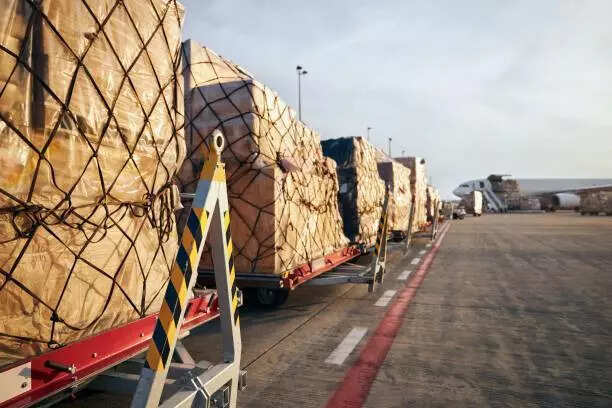
Shovon Islam, managing director of Bangladesh-based manufacturer Sparrow Group, told Reuters that some of his company’s shipments are currently stuck at Dhaka airport.“Some of my apparel consignments are currently stuck at Dhaka airport,” Islam said, adding that the goods were meant to be transported to the UK via Dubai.“They were supposed to be flown to the UK via Dubai, but with operations at Dubai airport suspended, we are now in a very difficult position. We’re trying to figure out alternative routes, but none of them are simple or cost-effective.”Airspace closures across much of the Middle East since the conflict began last Saturday have severely affected international logistics. Dubai International Airport—one of the world’s busiest aviation hubs—remained shut for several days, forcing airlines such as Emirates, Qatar Airways, and Etihad to cancel multiple flights.According to Reuters, the disruption is particularly damaging for South Asian exporters because Gulf airlines handle a significant share of the region’s cargo traffic.Frederic Horst, managing director at Trade and Transport Group in Sydney, told Reuters that a large portion of air cargo from the region moves through Gulf hubs.“More than half of Bangladesh’s air cargo travels via the Gulf,” Horst said, noting that about 41% of India’s air freight also depends on Gulf carriers, with Emirates and Qatar Airways playing a central role.
Zara suffering chaos
Inditex, the parent company of Zara, relies heavily on suppliers from South Asia. Its 2023 annual report lists 150 suppliers in Bangladesh, 122 in India, and 69 in Pakistan, though the company’s latest report does not provide updated country-level numbers. Inditex did not respond to questions from Reuters regarding the current disruption.With limited cargo space available, freight costs have also surged.Alexander Nathani, managing partner at Mumbai-based leather garment producer Kira Leder, told Reuters that shipping costs have risen sharply after airlines began cancelling flights.“The whole freight capacity is being blocked now on the airlines that are flying, so prices are increasing,” Nathani said.He added that freight charges for transporting leather jackets from Mumbai to Austria have doubled, while some shipments remain delayed.“One consignment in Pakistan is stuck in the factory, and the other consignment from Mumbai is being accepted for Swiss Air on Monday—let’s hope they’re also flying and that it all goes.”
From Primark to H&M
Retailers such as Primark, H&M, and Marks & Spencer told Reuters that most of their shipments are transported by sea rather than air. Meanwhile, Next did not immediately respond to the news agency’s queries.However, industry leaders warn that the crisis could escalate further if maritime routes are also affected.
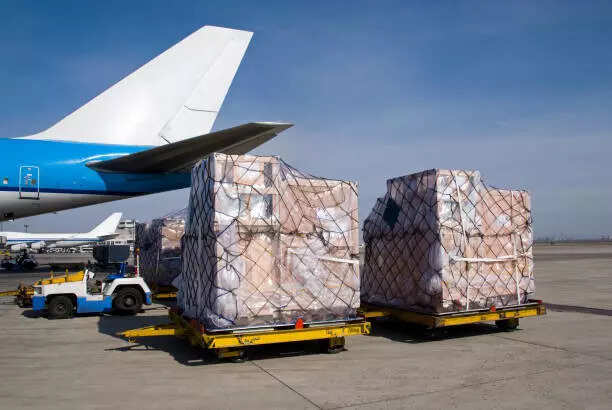
Mohammad Hatem, president of the Bangladesh Knitwear Manufacturers and Exporters Association, told Reuters that air cargo disruptions are already affecting exporters.“The suspension of cargo flights due to airspace closures in the Middle East is already disrupting air shipments,” Hatem said. He warned that if the Strait of Hormuz, a key shipping route between Iran and Oman and the UAE, were to close, sea freight costs could also surge.“All in all, we are worried—we can see another major crisis ahead.”