



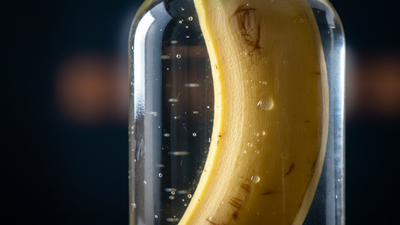
The kitchen counter has stealthily transformed into an improvised laboratory for experimenting with one of the internet’s most favoured home remedies: the steeping of banana skins in vinegar. Claims range from radiant skin to the magical gardening remedy, with this pungent concoction being lauded as the eco-friendly miracle cure-all of our times. It is easy to understand how this trend gained popularity. After all, we want to reduce wastage, save money, and find natural solutions in lieu of chemically-laden substances. But before you begin to steep your fruit peels and vinegar, you should examine the chemistry involved in creating this concoction of magic and fiction.It’s the nature of these ingredients that makes the duo special and charming. Banana peels are not just waste products destined to become trash; similarly, vinegar is not just a common condiment, but rather one of credentials and reputation. Folk remedies are often built on traditions; however, only the scientifically proven solutions have any credibility. Once all the market-related talk is stripped down, only then will the nutritional benefits and acidity remain.Why kitchen scraps have their nutritionThe popularity of banana peels as ingredients in homemade remedies is due to their being more than just “trash” biologically. Peels can be considered an organic gold mine of various bioactive compounds with practical uses in science and manufacturing. Research titled Banana Peels: A Waste Treasure for Human Being, states that banana peels are nutritious products, containing a considerable amount of minerals, fibre, and phenolics. Therefore, banana peels should be considered the source material for multiple uses, including production and pharmaceutical industries.

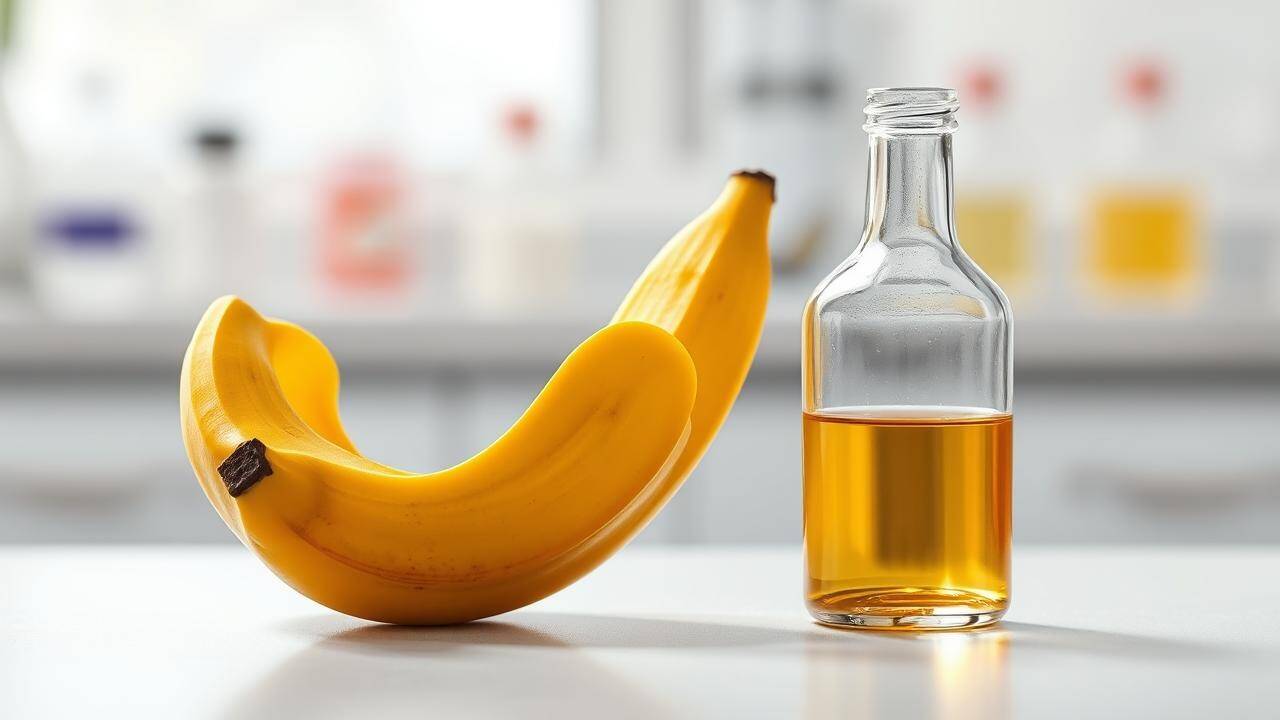
The article advises using these ingredients separately for their intended purposes, such as composting peels for gardening and using vinegar for cleaning.
There is another important detail of the waste treasure investigation to be emphasised. Indeed, banana peel releases its benefits only if a certain process of extraction is involved, which may include either special processing of the peel or its composting. However, soaking a raw banana peel in vinegar is not the same as getting pure minerals in laboratory settings or allowing it to decompose naturally in a compost heap. As we know, the soil microbiology in the garden will help with decomposition. It makes the mineral content of the banana peel accessible after decomposition. Otherwise, going straight to using the vinegar solution instead of first composting the peel may turn into a disaster because vinegar is quite acidic and good at getting rid of weeds as well as harming leafy vegetables.What is the true purpose of vinegar in our cleanliness practicesAs we have already seen, banana peels serve us the nutrients, while vinegar is responsible for cleanliness purposes. Indeed, vinegar’s power lies in its strong acidic composition, known as acetic acid. According to the mBio journal, acetic acid is very effective at getting rid of bacteria, serving as an antibacterial agent.This is where the concept becomes somewhat unclear. Adding the banana peels to vinegar will not instantly enhance its cleaning properties. On the contrary, adding organic materials such as leftover fruits to an acidic liquid might even have adverse effects or cause mould if not appropriately handled. The effectiveness of vinegar depends solely on its acidic content and not on its ingredients. For a disinfectant, the best option would be pure diluted vinegar, as there is no scientific proof about the effectiveness and safety of the fruity vinegar blend.Similarly, health benefits linked to the use of vinegar cannot be supported by scientific studies. The Journal of the Academy of Nutrition and Dietetics explored the connection between the impact of acetic acid content in vinegar and blood sugar levels or metabolism. These studies require the intake of a particular amount of acetic acid and not the application of banana-infused vinegar as a remedy for acne or other conditions.The best way to use the above substances would be to put them into play in their appropriate places, whereby you would compost the banana skins in order to make your gardening soil richer, while using the vinegar to clean your windows. Experimenting with the combination may be an interesting exercise, but the most reliable solution is normally the scientific one.