


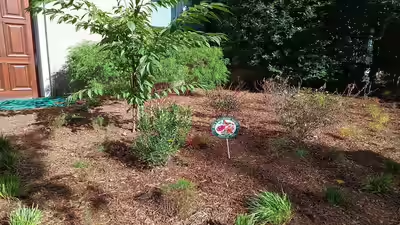
This is the picture that most people have in their heads before they take action towards helping out the bees and butterflies. This will involve creating a picturesque and romantic little meadow full of colour and energy. However, after the second year, they find themselves having created a mess that would probably be described as an “eyesore” by all the neighbours in the area. The garden becomes a bunch of weeds struggling in a small patch of mud.The problem isn’t the mission; it is the execution. Many people approach pollinator gardening with a “more is better” mindset, buying one of every beautiful native plant they see at the local nursery. While this variety is great for biodiversity, it is a disaster for visual design. When you plant single specimens of dozens of different species, the human eye has nowhere to rest. The garden begins to look like a visual “static” rather than a composed landscape.The key to an attractive pollinator garden is less rather than more. This means getting away from the idea that a natural garden needs to look like it belongs on a Jackson Pollock canvas. As a matter of fact, there are many highly successful pollinator gardens whose design follows very specific rules. Through focusing on form and repetition, you are able to create a garden that will please the local HOA and still give your winged friends a very high-calorie buffet.Powerful drifts & repetitionThere are many things you can do to make your messy garden look more refined. One such way is through avoiding single plants and using more drifts in your garden. A drift refers to groups of at least three to five of the same plant grown together in a group. Not only does this add a more powerful burst of colour and texture to the landscape, but it also creates a powerful visual focal point for both human and pollinator.According to a guide on Creating a butterfly garden from the University of Minnesota Extension, butterflies are actually more attracted to large splashes of colour than to isolated flowers. Grouping your plants by species makes it easier for pollinators to find their food sources without wasting energy flying between scattered stems. This practice, known as floral constancy, benefits the insects while providing the “fuller” look that characterises a high-end landscape.

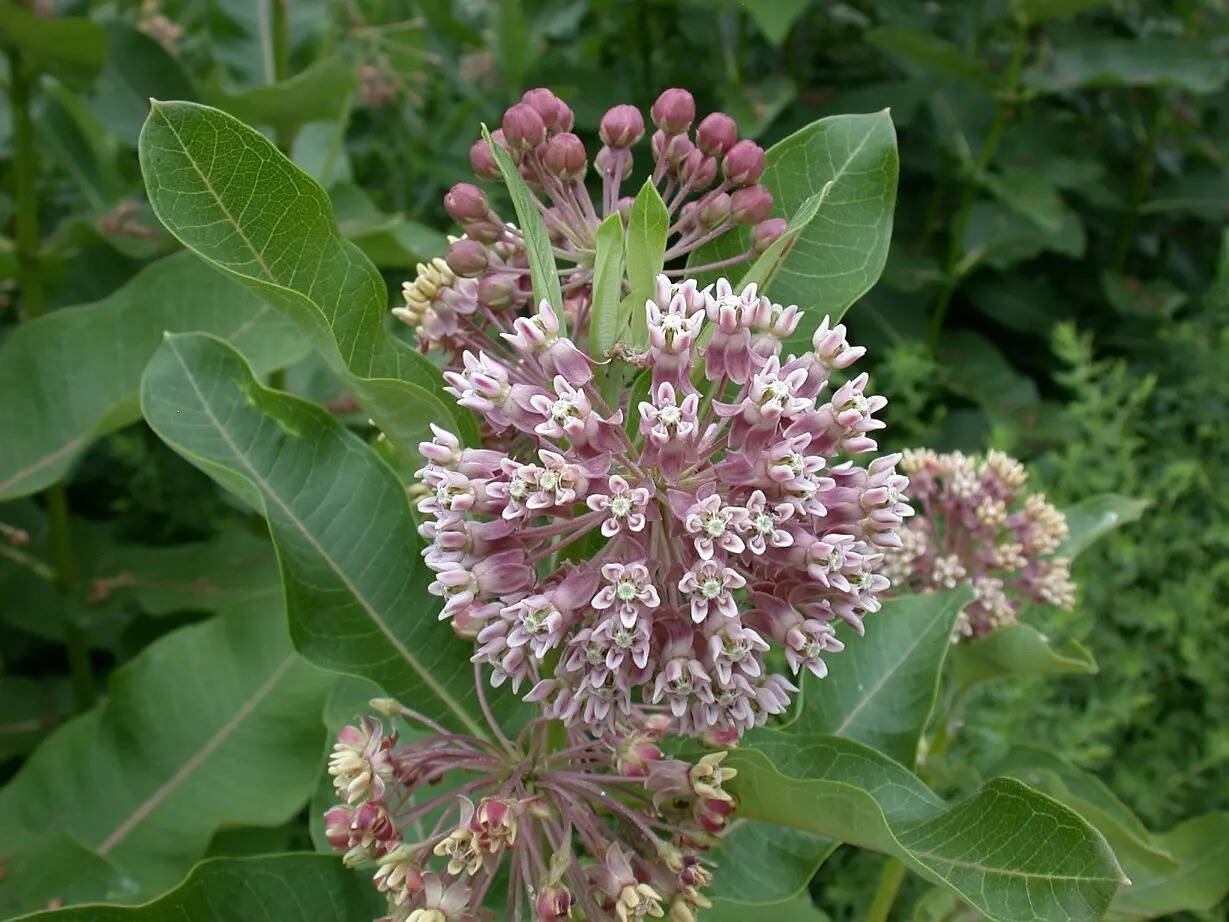
Repeating these groups creates rhythm and visual appeal. Structural plants like evergreens or ornamental grasses provide a backbone. This approach ensures a refined look that benefits both people and pollinators. Image Credits: DC Gardens, CC BY 2.0, via Wikimedia Commons
Beyond creating groups, you should pay attention to repetition. For instance, if you have an amazing drift of yellow black-eyed Susans on one side of your bed, you should repeat this group on the other side. This will create a rhythm. The fact that the same colours and shapes are seen across the whole garden suggests that there is a designer behind this work. Otherwise, you would just see a bunch of weeds, but now you can appreciate a botanical collection created by someone.Creating structure in the “backbone” of the bedThe most common mistake people make when designing a garden is not paying attention to the “bones.” Pollinator perennials are usually late bloomers and spend many months growing slowly to finally turn into six-foot-tall towers of flowers. The absence of structure in the garden leads to two problems. First, it seems like there is nothing in the garden during the spring months. Second, in summer, the garden looks chaotic because it becomes too tall.In a research piece titled Pollinator Gardens by the University of Maryland Extension, experts suggest that a successful habitat needs a mix of heights and textures to provide shelter. But from a design perspective, you should anchor these soft, swaying perennials with “backbone” plants. These are usually evergreens or structural shrubs that provide a permanent frame for the wilder flowers to lean on.The addition of some well-positioned evergreens or ornamental grass will provide an anchor for the eye. The structural plants are there, regardless of whether the flowers are no more and even during the season when the perennials lie dormant. A neat line around the outside – a mown grass edging or a sharp mulch line – also makes a big difference. This provides the “frame” for the masterpiece contained within. If the lines are neat and the anchors are in place, it does not matter how wild the middle of the garden becomes.