


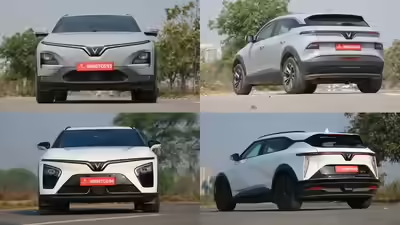
The following article is an advertorial. Last year, Vietnamese EV maker VinFast entered India as it launched two new electric SUVs. However, it isn’t the usual ‘testing waters’ move for the OEM on our shores. It is, in fact, about bringing a global EV brand that has been engineered, manufactured and now adapted with India firmly in mind. VinFast has made its intent clear and is positioning itself as a serious long-term player, one that is betting big on India rather than treating it as a trial market.We’ve driven the VF 6 and VF 7 and also seen how these vehicles are made at VinFast’s manufacturing facility in Vietnam. That combination tells a bigger story: these EVs are not just feature-rich or stylish, but fundamentally built to handle real-world Indian conditions.
Global design, ready to withstand challenges in India
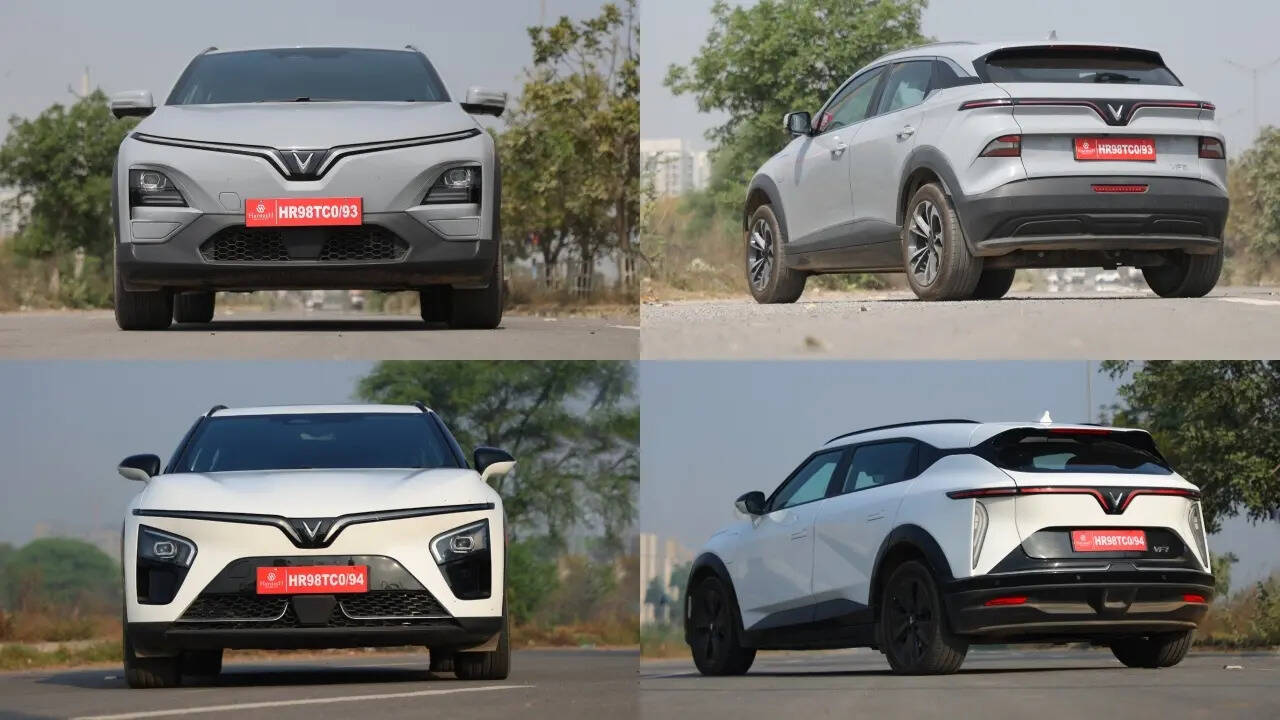
At first glance, the VF 6 and VF 7 stand out for their clean, international design. They don’t look like experimental EVs or cost-cut products. Instead, both SUVs carry a premium, global design language that immediately makes them feel modern and aspirational.

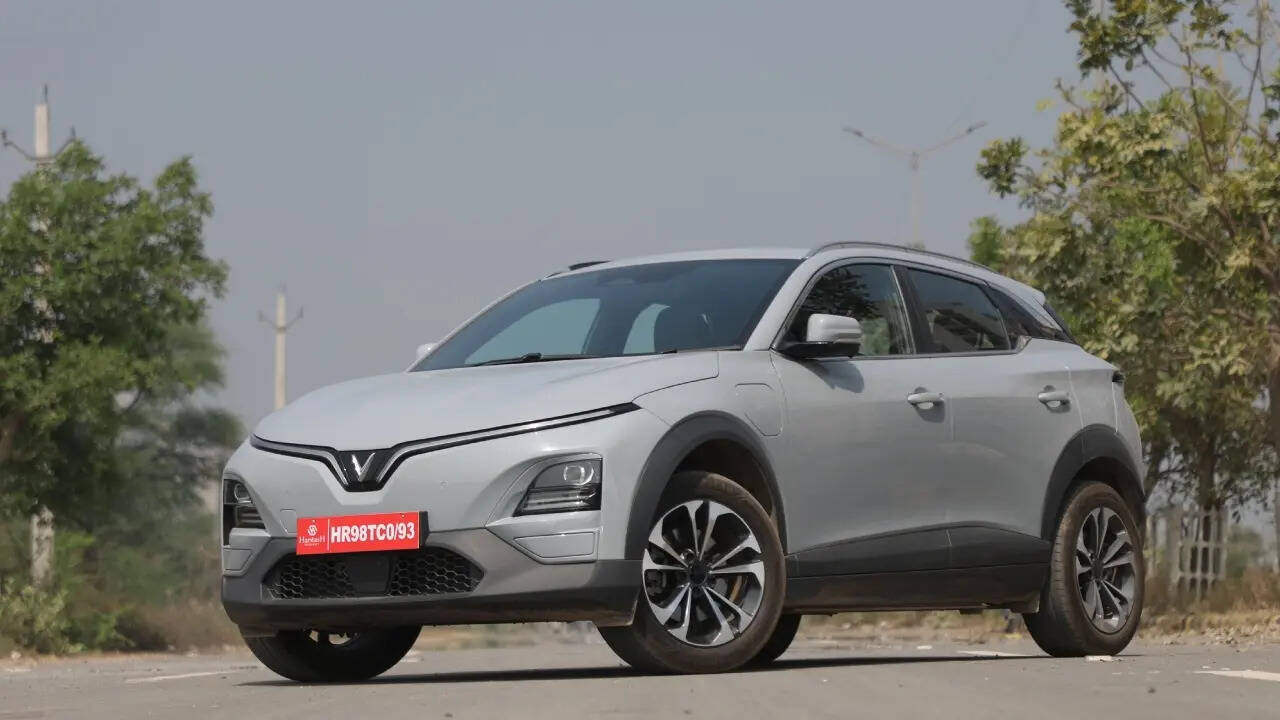
VinFast VF 6.
Inside, the focus is clearly on comfort and everyday usability. Supportive seats, a large central touchscreen, premium materials and a spacious boot make both SUVs easy to live with. Importantly for Indian buyers, the cabin feels airy and practical. These are SUVs designed for daily commuting, long traffic hours and weekend highway runs.
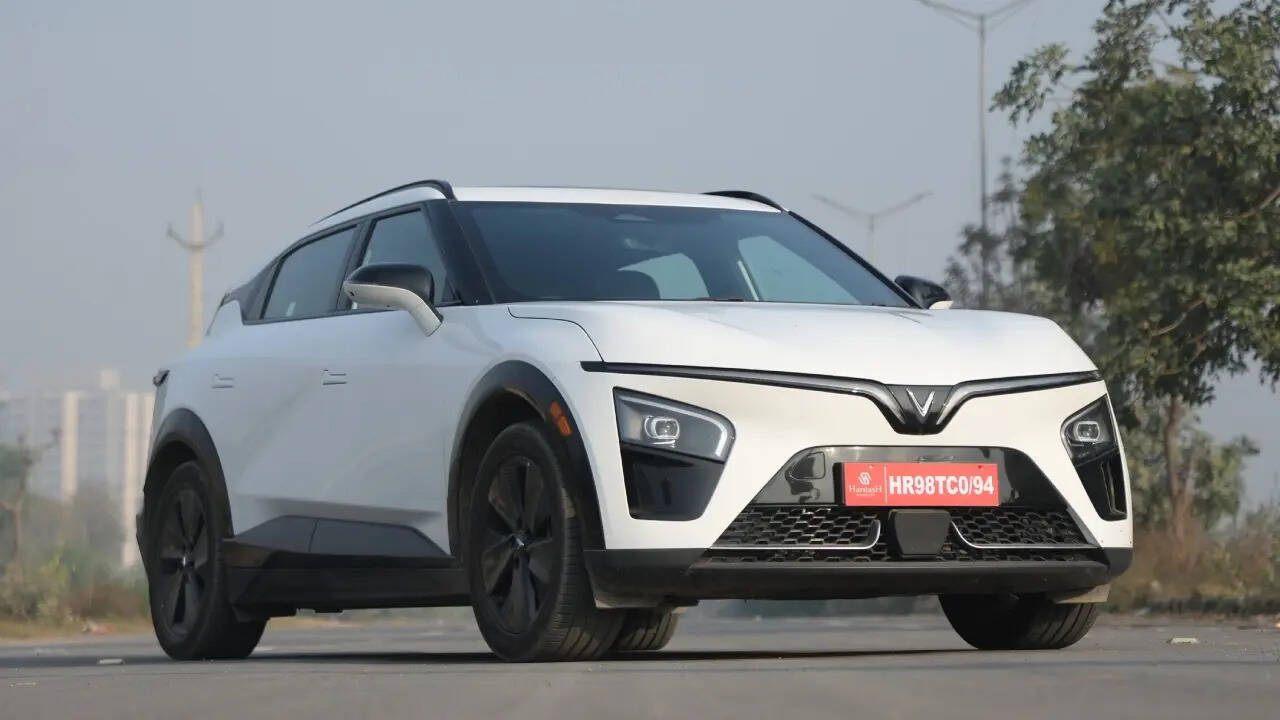
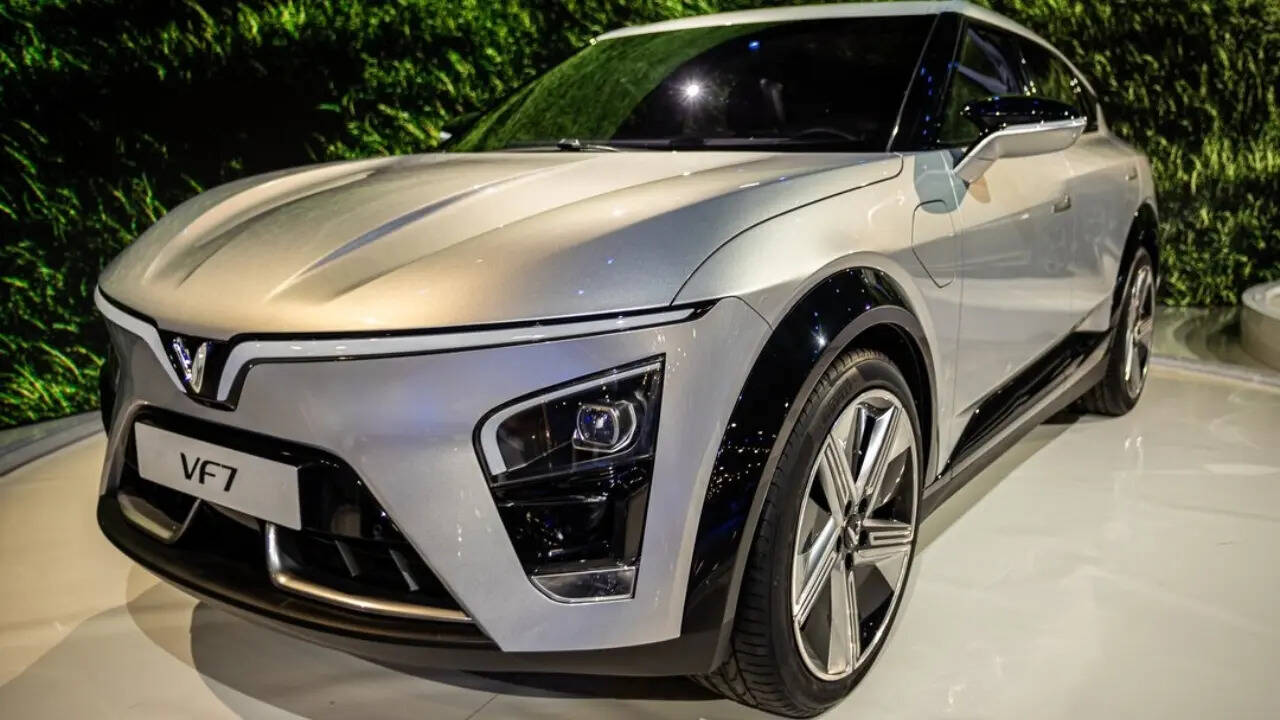
VinFast VF 7.
Low running costs, smooth electric performance and easy drivability further strengthen their case in a market where EV adoption is growing rapidly but buyers are still cautious.
Vinfast VF 6, VF 7 – The package
Both of VinFast’s India-spec electric SUVs come loaded to the gills in terms of performance and features. The VF 6 is powered by a 59.6 kWh battery that supports fast DC charging and delivers an ARAI-certified range of up to 468 km on a single charge. Its motor produces up to 204 hp and 310 Nm of torque. Inside, the VF 6 comes with a 12.9-inch touchscreen, panoramic glass roof, Level 2 ADAS safety suite and a head-up display that replaces the traditional instrument cluster. Safety features include seven airbags, adaptive cruise control, lane keeping and a 360-degree camera, among others.
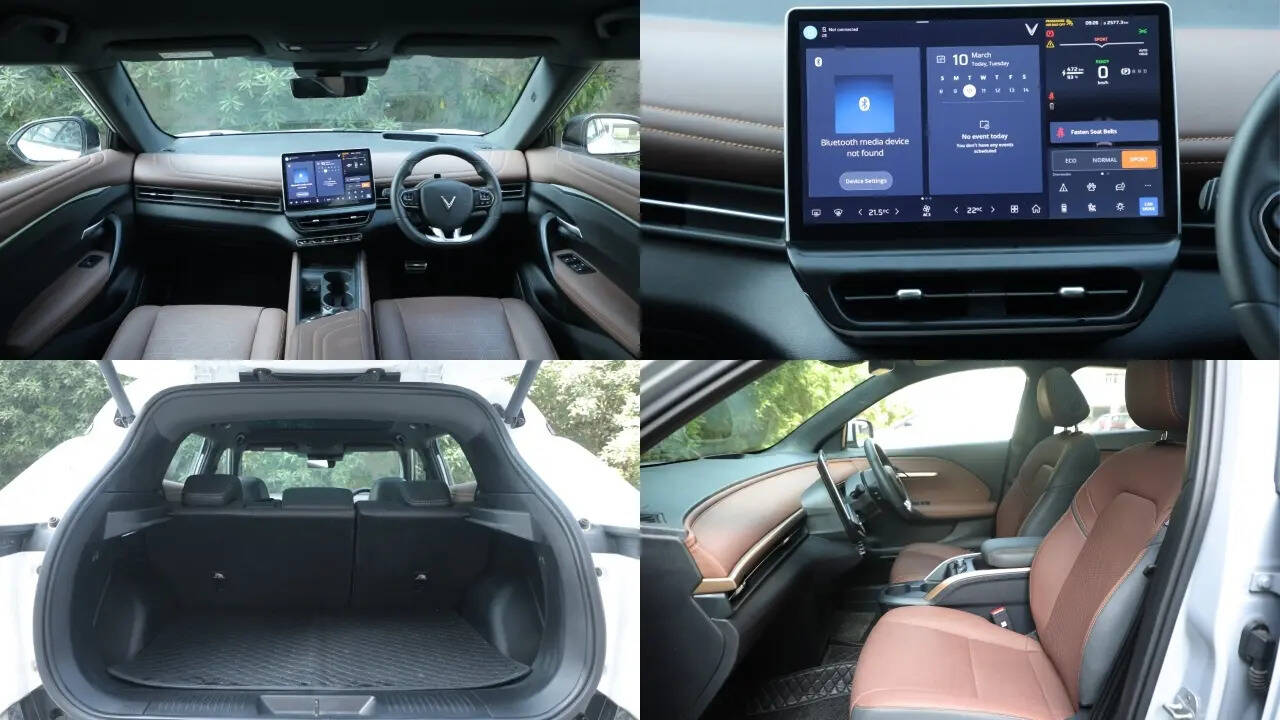
The larger VF 7 expands on this with two battery options: a 59.6 kWh pack and a 70.8 kWh pack. The VF 7’s more powerful versions deliver up to 350 hp and 500 Nm with all-wheel drive, while still offering up to about 532 km of range on the larger battery. Like the VF 6, the VF 7 features a premium cabin with a large touchscreen, HUD, vegan leather upholstery, dual-zone climate control, ventilated seats and a panoramic glass roof. Its safety suite also includes Level 2 ADAS, multiple airbags and 360-degree cameras.
Manufacturing that sets VinFast apart
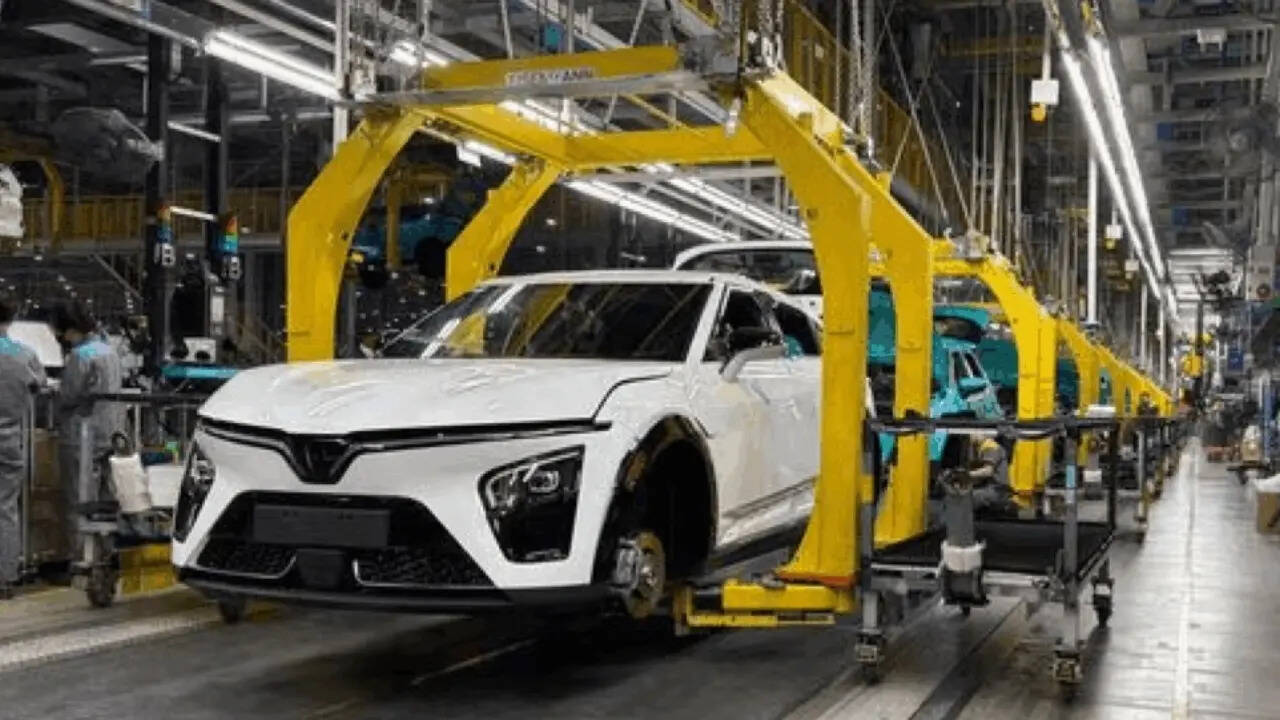
What truly differentiates VinFast is how these SUVs are built. At its Vietnam facility, VinFast uses advanced robotics, precision manufacturing processes and global-grade quality checks across every stage of production.
The focus is on consistency, durability and attention to detail. Body panels, paint quality, interior fit and finish and structural integrity are all tightly controlled, ensuring the VF 6 and VF 7 feel solid and well put together.For India, this matters. Our roads, climate and usage patterns demand vehicles that can take abuse. VinFast’s manufacturing approach is geared towards exactly that: EVs that can handle varied road surfaces, heat, humidity and long-term ownership.
A serious bet on India, not a cautious one
VinFast’s India plans underline its intent. The company has been clear about long-term investment, localisation, supply-chain development and building a strong retail and service network.
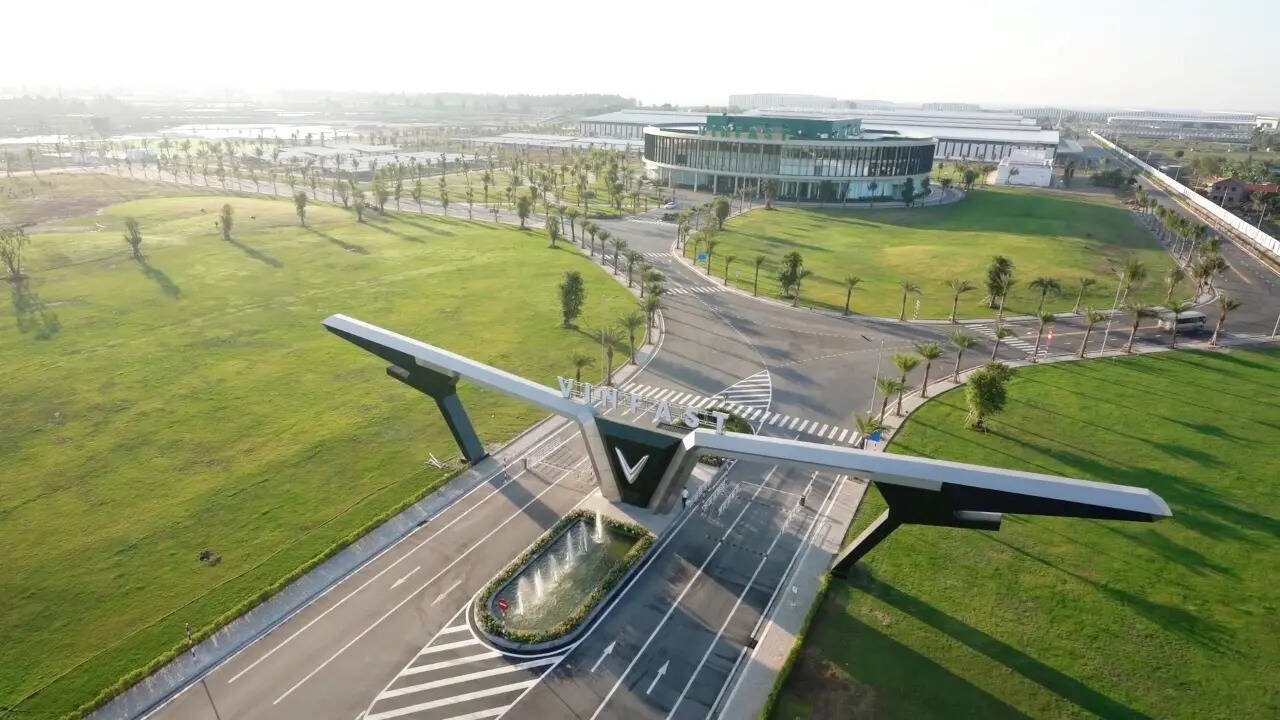
VinFast is positioning itself as a brand that combines global expertise with local understanding. The company has committed a total planned investment of up to $2 billion, which is around Rs 16,000 crore, towards setting up an integrated electric vehicle manufacturing facility in Thoothukudi, Tamil Nadu. The investment will be rolled out in phases. Phase 1 will see an initial outlay of $500 million, with VinFast already planning further expansion through additional workshops for electric two-wheelers and electric buses. This highlights the brand’s intention to build a broad EV portfolio in India, rather than limiting itself to passenger cars.
Once operational, the facility is expected to start with an annual production capacity of 50,000 vehicles, which can be scaled up to 1,50,000 units over time. Alongside manufacturing, VinFast is also working on building a complete EV ecosystem in India, including partnerships for charging infrastructure and financing solutions, aimed at making EV ownership easier and more accessible.
Ready for Indian roads, ready for Indian buyers
We’ve driven the VinFast VF 6 and VF 7 and both SUVs leave a strong first impression. The India-spec versions come with increased ground clearance and Indian-spec tyres.
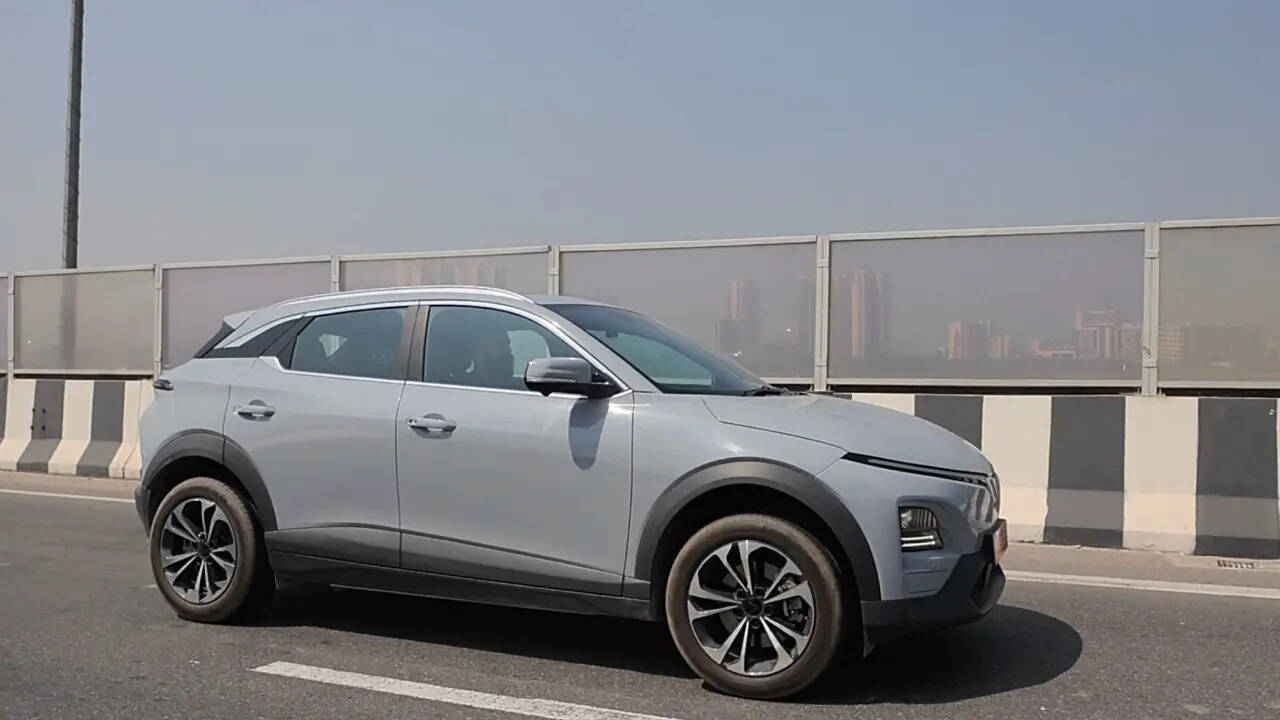
VinFast VF 6 driven.
Design-wise, both cars look modern and clean, with the signature V-shaped LED DRL giving them a clear brand identity. The VF 6 is compact and city-friendly, while the VF 7 feels more premium with its larger size and stronger road presence.
Inside, the cabins feel well put together, with good material quality and a clean layout. The heads-up display replaces a traditional instrument cluster and works well once you get used to it. The large touchscreen is sharp and responsive, and overall fit and finish, especially in the VF 7, feels properly premium.
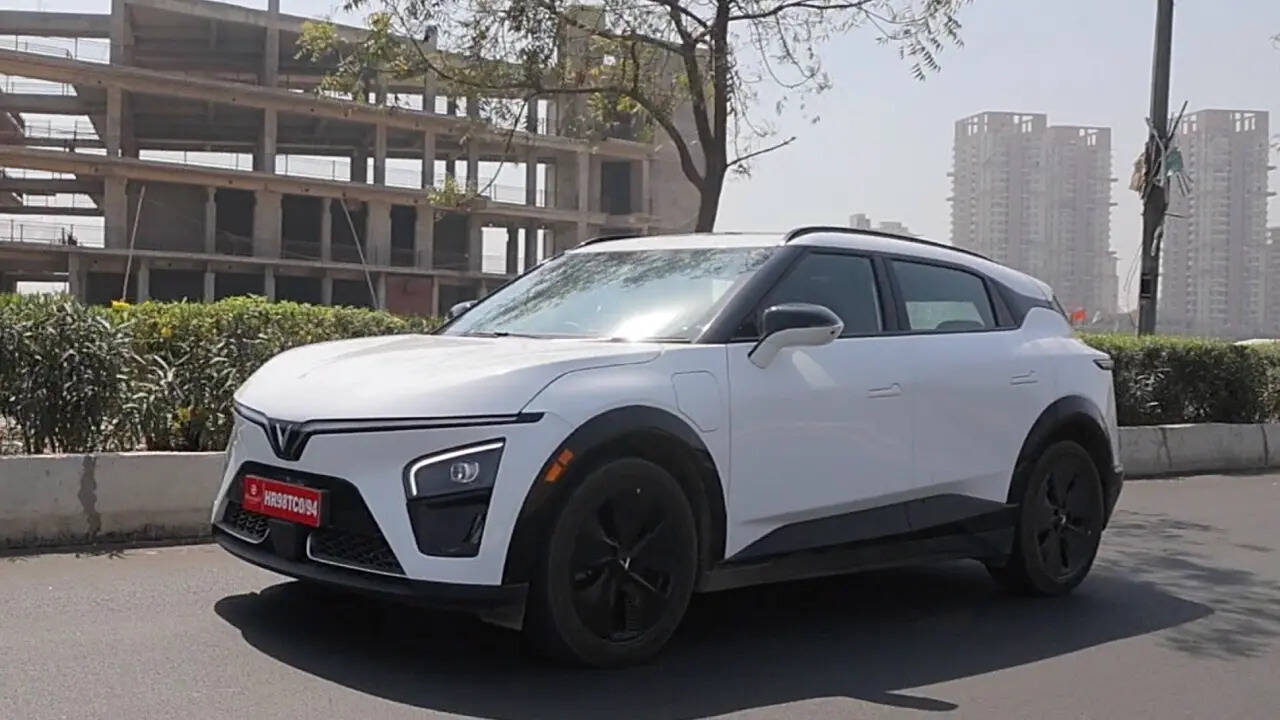
VinFast VF 7 driven.
On the move, the VF 7 is smooth and comfortable, with strong rolling acceleration and a suspension setup that suits Indian roads. The VF 6 feels quick, easy to drive and well suited for everyday city use. Seats are comfortable, space is good, and both cars feel feature-rich.