


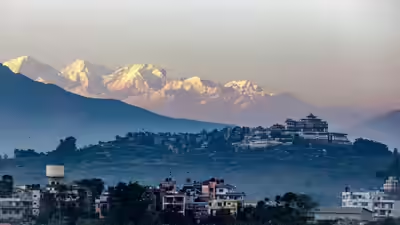
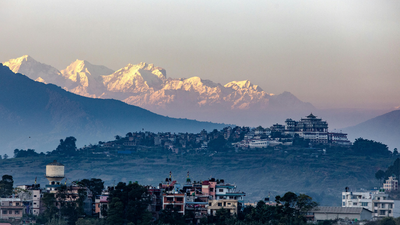
The issue of dwindling snowfall in the Himalayas is gradually emerging as a serious concern due to the intensifying climate change crisis in the region. Recent research reveals that this decline is not a mere temporary phenomenon but part of a long-term pattern linked to global warming. According to the India Meteorological Department, winters in several parts of the Himalayas have become warmer and drier, resulting in reduced snowfall. This is particularly critical because the Himalayan range is vital for ensuring water security for millions of people across Asia.
What’s causing the decline in Himalayan snowfall
Snowfall reduction in the Himalayan region is directly related to climatic changes. With higher temperatures due to global warming, winters have become relatively warm. In consequence, there is little chance of having precipitation in the form of snow. Rain is falling more often than snow because of global warming.As reported by researchers from Utrecht University and ICIMOD, climate change is disrupting winter periods in the Himalayan region. As a result of that, winters in the Himalayas have shortened considerably and are characterised by reduced snowfall.
How climate change is disrupting the Himalayan snowfall
The effect of climate change on snowfall in the Himalayas extends beyond seasonal variations. Snow in the Himalayas acts as a natural reservoir of water that slowly melts into the great rivers of Asia.As the volume of snowfall diminishes, the entire process is hindered, causing less water to be available during the dry seasons. The Himalayan snowfall crisis, therefore, has direct consequences for millions of people who depend on these water sources for their security.
Why the Himalayan snowfall crisis matters for Asia
Often described as the “water tower of Asia”, the Himalayas support some of the world’s most important river systems. Less snow in the Himalayas disrupts the delicate balance and poses a danger to countries such as India, Nepal, and China.There is less water storage, which makes droughts more likely, and it causes harm to the ecosystems dependent on snow. This is one of the reasons why the Himalayan snow crisis is not only an environmental problem but also a socio-economic one.What scientists say about the future of the Himalayan wintersIt has been cautioned that the decrease in snowfall in the Himalayas might persist provided that global temperatures continue to rise. According to the India Meteorological Department, even warmer winters might be seen in the coming years, along with unpredictable climatic conditions, which might further contribute to a decrease in snowfall. Such extreme weather patterns would lead to erratic rainfall and the destabilisation of glaciers.