




Not everyone who does something ‘bad’ is a bad person. If that thought stays with you for a moment, this might be worth your time.There are phases in life when you look back at your own behaviour and feel a quiet discomfort. Not because you meant to hurt someone – but because you realized that you did.And sometimes, it’s not just anyone. It’s someone you would have never chosen to hurt.So you sit with that question: why did I do it?
When your past quietly shapes your present
The answer is rarely simple.For many, it begins much earlier than the moment itself. It starts in the experiences that shaped you – your childhood, your early relationships, the times you trusted people and were met with disappointment.

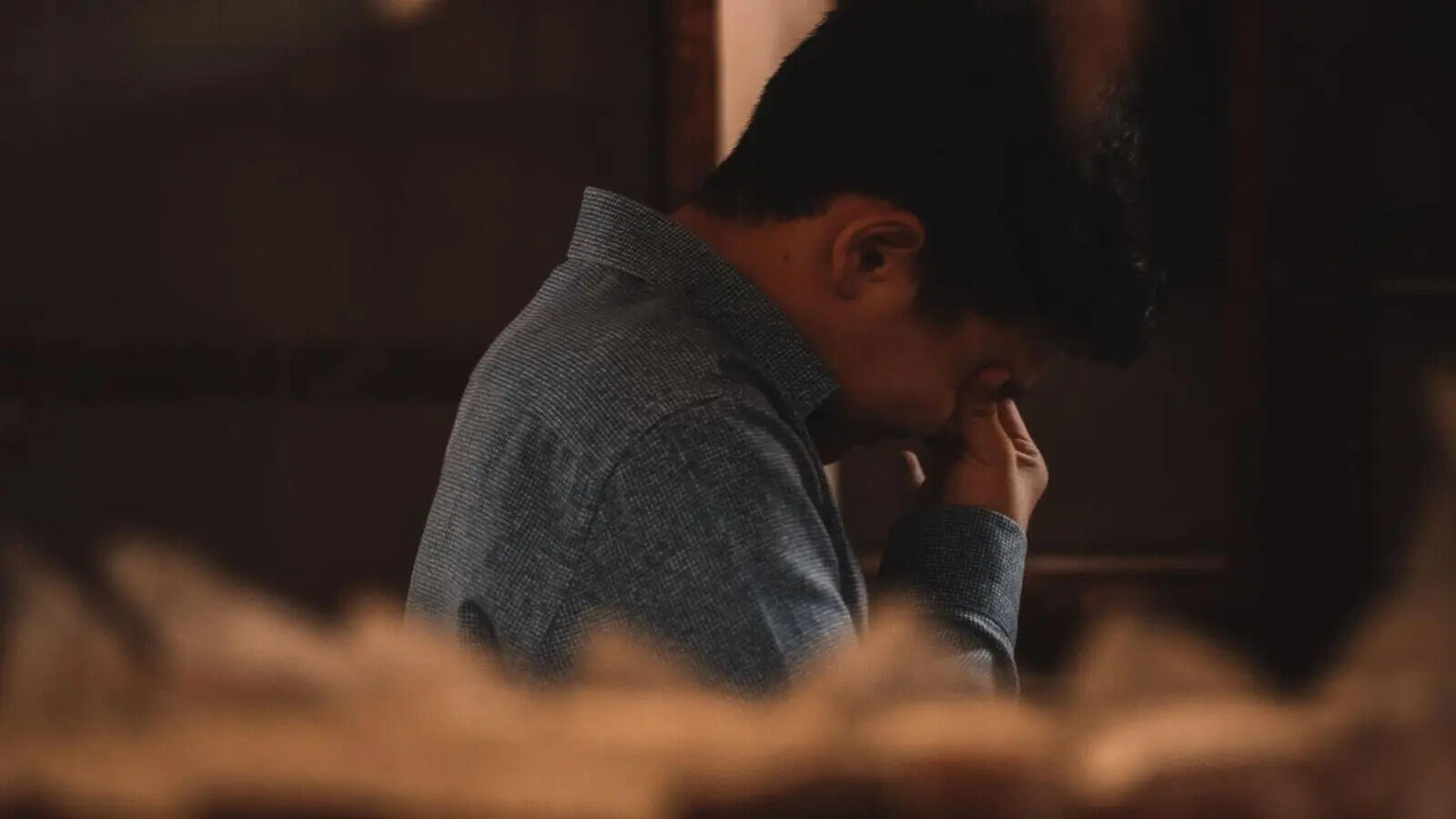
Maybe you were someone who felt deeply, who cared without holding back. Maybe you believed that people would treat you with the same honesty.But that didn’t always happen.You may have been taken for granted. Disrespected. Hurt in ways that slowly changed how you saw people – and yourself. And after a point, something inside you decided that you couldn’t keep being that open anymore.
The defence you built to survive
So you adapted.You built a version of yourself that felt safer. Stronger. Less reachable. You told yourself that it’s better to be guarded than to be hurt again.And somewhere along the way, those defenses stopped being temporary – they became patterns.You started reacting instead of responding. You pulled away before anyone could get too close. You chose distance over vulnerability – not because you don’t feel, but because you feel too much.
The hidden patterns you may not notice
These patterns don’t always look obvious. In fact, they often feel normal – because you’ve lived with them for so long.
Reacting quickly instead of pausing
You respond instantly – sometimes sharply – without fully processing what the other person meant.
Pulling away when things start to feel real
When someone gets too close emotionally, you create distance – even if you care.

Assuming the worst before it happens
You expect disappointment or disrespect, even when there’s no clear sign of it.
Struggling to express what you actually feel
Instead of saying you’re hurt, you become silent, cold, or distant.
Using harshness as protection
You come across as blunt or detached, especially when you feel vulnerable.
Shutting down instead of communicating
You choose silence over difficult conversations, even when something matters.
What these patterns may actually be revealing about you
These behaviours are not random. They often point to something deeper.
If you react quickly, you may be protecting yourself from feeling small again
It’s not just the moment – it’s what it reminds you of.
If you pull away, you may be afraid of getting hurt or losing control
Distance can feel safer than attachment.
If you assume the worst, you may have learned not to trust easily
Expecting less can feel like protection.
If you struggle to express emotions, you may not have felt safe doing it before
At some point, being open may not have worked in your favour.
If you come across as harsh, you may be guarding something soft
What looks like strength can sometimes be protection.
If you shut down, you may be avoiding conflict that once overwhelmed you
Silence can feel easier than emotional chaos.
The escapes we don’t realize we’re using
Sometimes, it’s not just patterns – it’s the ways we cope that end up hurting people.
Avoiding conversations that feel too real
You tell yourself it’s not worth it, but you’re avoiding what you might feel if you open up.
Keeping things surface-level
You show up, but you don’t let anyone truly know you.
Using distraction as an emotional escape
You stay busy to avoid sitting with your thoughts.
Turning cold instead of admitting you’re hurt
You say “I’m fine” when you’re not, and create distance instead.
Leaving before you can be left
You pull away when things start to matter.
Being overly independent to the point of isolation
You convince yourself you don’t need anyone, even if a part of you still wants connection.
What you might be feeling underneath it all
Behind these behaviours, there is often more than what shows on the surface.
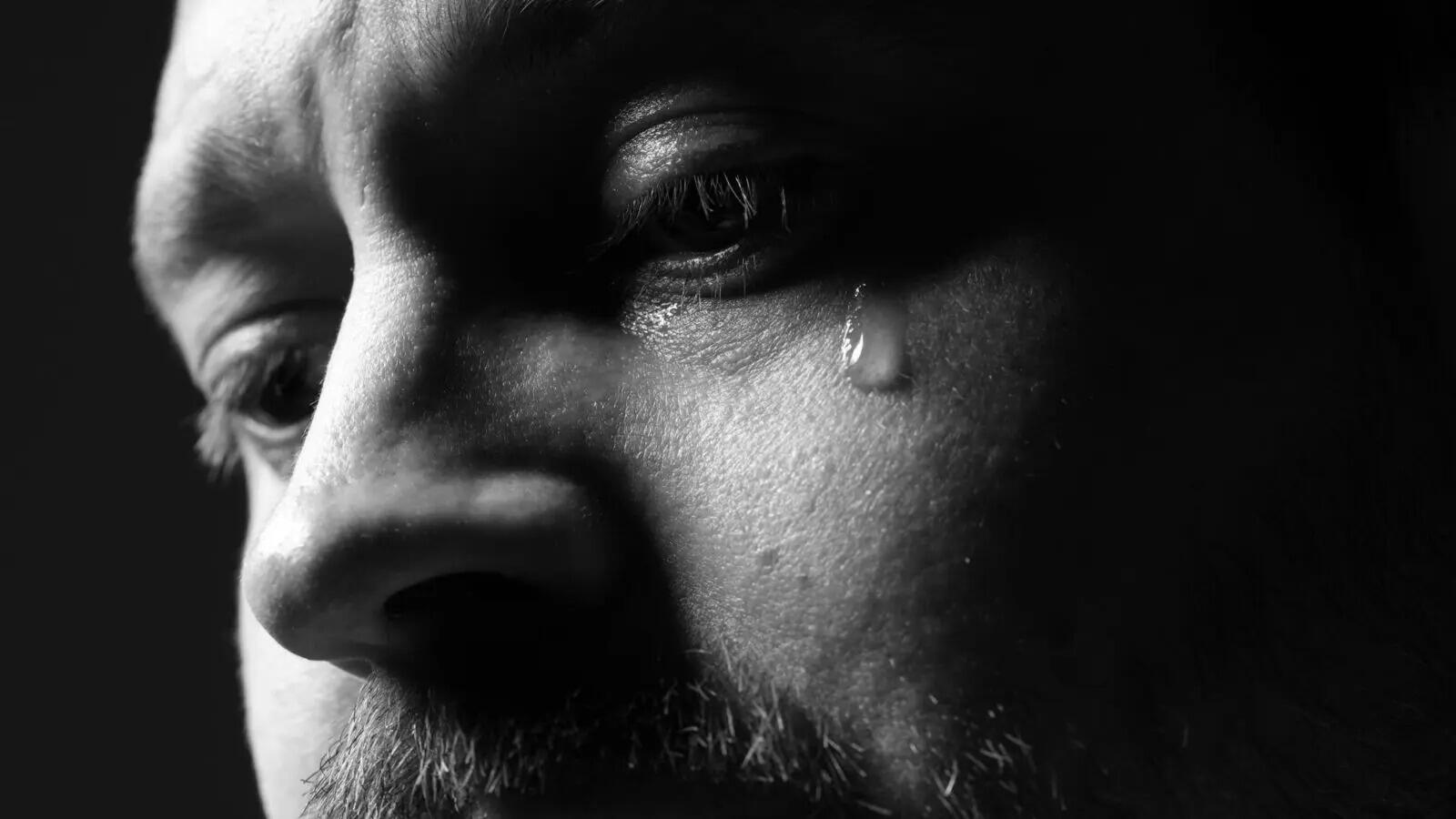
You may feel tired of always having to be strong.You may feel guarded, like you can’t fully trust anyone.You may feel misunderstood, like no one really sees your side.You may feel guilty – especially when you realize you’ve hurt someone good.You may feel conflicted – wanting closeness but also pushing it away.And sometimes, you may feel numb because feeling everything became too overwhelming.
When the realization hits
And then one day, something shifts.You realize that in protecting yourself so fiercely, you may have hurt someone who didn’t deserve it. Someone who was genuine. Someone who didn’t come with the same intentions that once hurt you.That realization doesn’t come loudly. It settles in quietly – but heavily.The belief that “it’s better to be tough than to be taken advantage of” suddenly feels different. Not empowering, but uncomfortable.
You’re not a bad person – but the pattern matters
That’s when clarity begins to set in.You are not a bad person. But you are capable of actions that can hurt others.Not out of malice, but out of unhealed patterns, fear, and the instinct to protect yourself at all costs.This is not easy to accept. But it’s important.
Awareness is where change begins
Change doesn’t come from dramatic promises. It comes from small, honest moments.It starts when you pause and ask, “Why did that affect me so strongly?”It grows when you resist reacting instantly.It deepens when you take responsibility – not just for what you meant, but for how it made someone else feel.Because intent and impact are not always the same.
The question that matters
At its core, this is about awareness.It’s about understanding the space you occupy in other people’s lives and asking yourself, honestly:“Do people feel safe around me, or do they have to be careful?”That question isn’t meant to shame you. But it does ask for responsibility.
The truth you need to sit with
You are not the pain you went through.But if you’re not careful, you can unknowingly pass pieces of it on.And recognizing that isn’t a sign that something is wrong with you.It’s a sign that you’re ready to do better.Images: Canva (for representative purposes only)