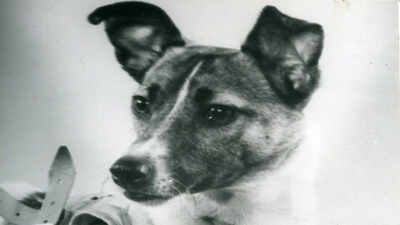
Beneath the surface of all the hype surrounding dazzling spacecraft and the brave men who once rode them lies the unspoken and harsh reality of that chilly November day in 1957. This pioneer was neither a man nor a machine but a little stray dog from the streets of Moscow named Laika. She had not willingly taken this route, yet the journey of her space capsule, Sputnik 2, marked the turning point of all events to come.The initiative was prompted by extreme international pressure. Following the successful launch of Sputnik 1, the USSR rushed ahead and capitalised on its success. The design for Sputnik 2 quickly evolved from a metallic sphere to an enclosed capsule able to accommodate live passengers in less than a month. Laika was chosen specifically because she was a calm and even-tempered dog capable of being cooped up for extended periods. However, at the time, engineers could send Laika into orbit but were unable to come up with a means of bringing her home.Science takes a riskWhile the launch itself served as both a scientific experiment and a political gesture, the latter was not the most important aspect. According to the chronicle 65 Years Ago: Sputnik Ushers in the Space Age, the Soviet satellite had much higher mass and technological complexity compared to its predecessor. Not only was it a simple radio device orbiting the Earth, but Sputnik 2 also featured an enclosed pressurised capsule with instruments that allowed tracking of biological response to radiation and weightlessness.As Laika took off from the Earth, her heart rate increased. For a brief moment, it seemed that the numbers were indicating that she was indeed surviving, despite being exposed to the harsh conditions of a rocket launch. This meant that an animal wasn’t instantly killed by such powerful forces – an important discovery for all space pioneers. Thus, instead of focusing on whether the mission could be accomplished, scientists had to pay attention to how humans would be able to survive in outer space. Even though Laika’s journey to the stars was brief, her results would be used as a basis for future endeavours.
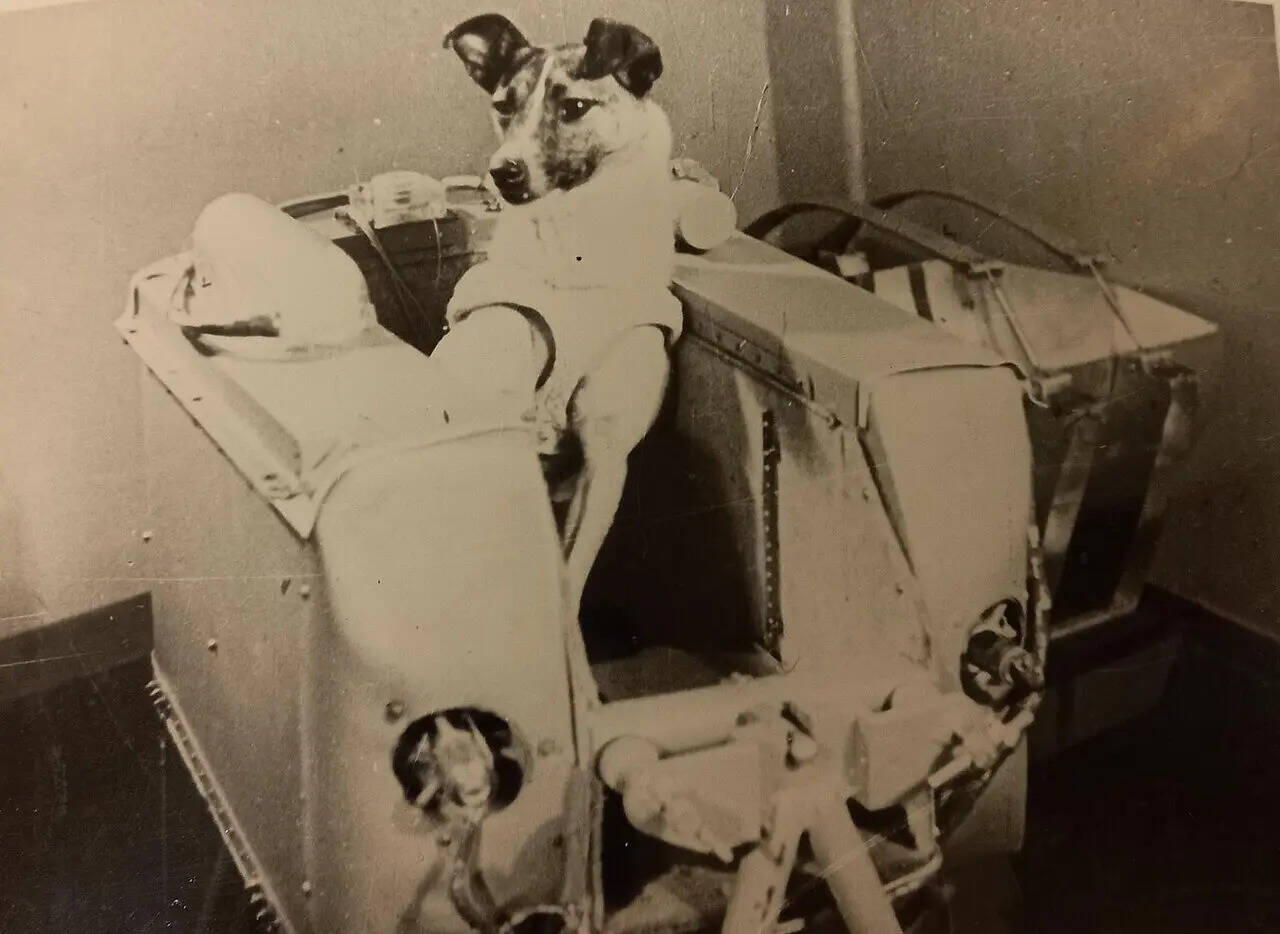
This sacrifice spurred advancements in life support systems and significantly influenced America’s space program, paving the way for human spaceflight and the Moon landing. Image Credits: via Wikimedia Commons
Turning points and the road to man in spaceOne small event set off a chain reaction in the ocean almost immediately. As the NASA paper Sputnik and the Origins of the Space Age explains, the flight of Sputnik 2 was one of the main catalysts that led America to organise its space program. This was not just a wake-up call, but rather a call for action: now, planners knew what to do to succeed in outer space. Perhaps without Laika’s influence, NASA wouldn’t have been founded; perhaps the Moon landing would look different today.However, beyond all of the political spectacle, the real lesson that the engineers had to come to terms with was very clear. The scientists had learned that maintaining the life of an organism while in space is an incredible environmental feat. The craft required advanced thermal control systems as well as highly dependable pressure systems. The journey of Laika made the distinction clear between sending machines and organisms into space. This would help in future missions that would return animals from space, setting the stage for Yuri Gagarin becoming the first man in space.Even now, Laika serves as an iconic figure of sacrifice, but she left an indelible mark on the history of space exploration today. She bridged the gap between the time of the first artificial satellites and the period of manned flights into space. Her voyage proved that space is not just some territory where robots would orbit around; it can be a place where life would eventually thrive. It is still a highly symbolic step on our path towards the cosmos.