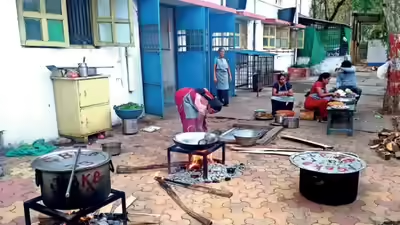
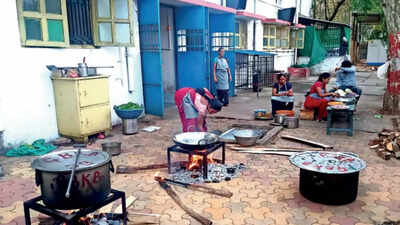
HYDERABAD: The hotel and restaurant industry, comprising over 70,000 units in the city, is staring at massive financial losses potentially touching Rs 100 crore per day as operations remain disrupted due to a shortage of commercial cylinders.Industry representatives say the sector has already suffered losses of around Rs 50 crore in the last two days. Many restaurants had to scale down kitchen operations, preparing only limited menu items that consume less gas, while some smaller eateries temporarily shut operations during certain hours to conserve LPG. At the same time, the rising cost of LPG forced some hotels and restaurants to increase the prices of tiffins and meals.
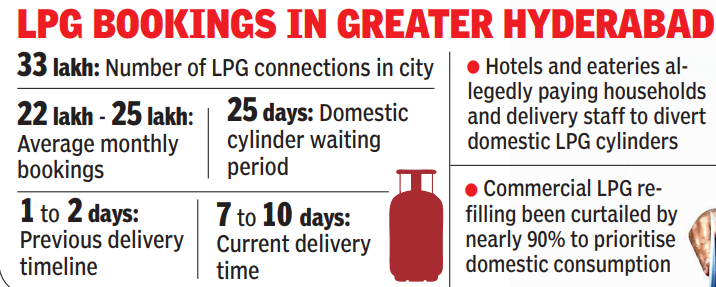
Units across sectors hitAccording to the National Restaurants Association of India (NRAI), the crisis is affecting establishments of all sizes — from small roadside eateries and tiffin centres to large-scale hotels and restaurants. They say the govt must consider allocating at least 50% of the regular commercial LPG supply to hotels and eateries so that kitchens can continue operating at a basic level.Restaurant owners also said that switching entirely to firewood is not a practical solution. While wood-fired cooking can be used for preparing biryani and certain rice-based dishes, it is not suitable for making a wide range of items such as curries, starters, snacks and fast food that require controlled and consistent heat.NRAI writes to state govtNRAI has requested the state govt to intervene and ensure adequate supply of commercial LPG cylinders to restaurants and food establishments across the state.In a letter to minister Uttam Kumar Reddy, NRAI said Hyderabad and other cities in Telangana have a large number of restaurants, cafes and eateries that cater to working professionals, students, families, and tourists on a daily basis. “Disruption in LPG supply could affect food availability and service across the hospitality sector. Ensuring continuity of LPG supply will help protect livelihoods, sustain small businesses, and maintain uninterrupted food services for citizens and visitors alike. Restaurants are also an important part of Telangana’s tourism and urban lifestyle ecosystem, and uninterrupted food service is critical to maintaining the city’s reputation as a hospitality and dining destination,” NRAI said.