



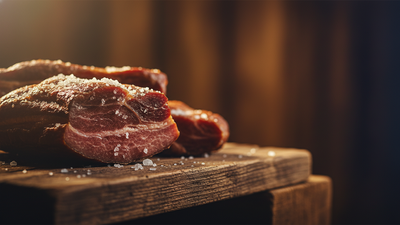
Remember the last time the electricity was out for a day in summer, and you were worried about your food? Now imagine living in an era without any of these modern appliances, but without panicking because you know what to do. For most of history, people did not use thermostats or expiration dates to keep food safe. It was about time, smoke, salt, and sunlight. People dried fish by the sea, fermented cabbage through long, cold winters, and rubbed salt on meat before a long trip. These were not recipes; they were ways to stay alive.The smart reasoning behind the traditional methodsSalt removes moisture from food, which prevents microbes from growing. When you smoke meat, you add chemicals that work as natural antimicrobials. Microbes need water to live, and drying removes it. Fermentation makes food taste better while also preserving it. For example, kimchi, yoghurt, and pickles.The research, Smart Kitchens of the Future: Technology’s Role in Food Safety, Hygiene, and Culinary Innovation, found that these traditional methods were not only useful but also very well suited to the places where they were used. People who lived near the coast dried fish; people who lived in colder places fermented vegetables; and people who lived in dry places relied on sun-drying. In a way, each culture built its food safety system around what nature gave them.It was not without risksTraditional preservation, however, was never perfect. It was very common to get sick from food, and things could go wrong quickly if they did not have exact control over the temperature or cleanliness. Poor ventilation, dark storage areas, and leftovers kept at room temperature were constant hazards in pre-modern kitchens.The shift to modern kitchens and what we lost along the wayIn the 20th century, everything changed because of refrigeration, canned goods, and chemical preservatives. Food got safer, more dependable, and a lot easier to get, but something else happened, too. Most of us lost track of where our food came from or how to keep it fresh without a plugged-in appliance.Modern supply chains have also brought new problems. Food now travels thousands of miles; as a result, it is difficult to keep an eye on everything. The research in the journal Systems notes that globalisation has led to the adoption of technologies such as blockchain to track where food has been and how it has been stored. Back in the day, it would be something that a village elder used to know about the salted cod hanging in the cellar.

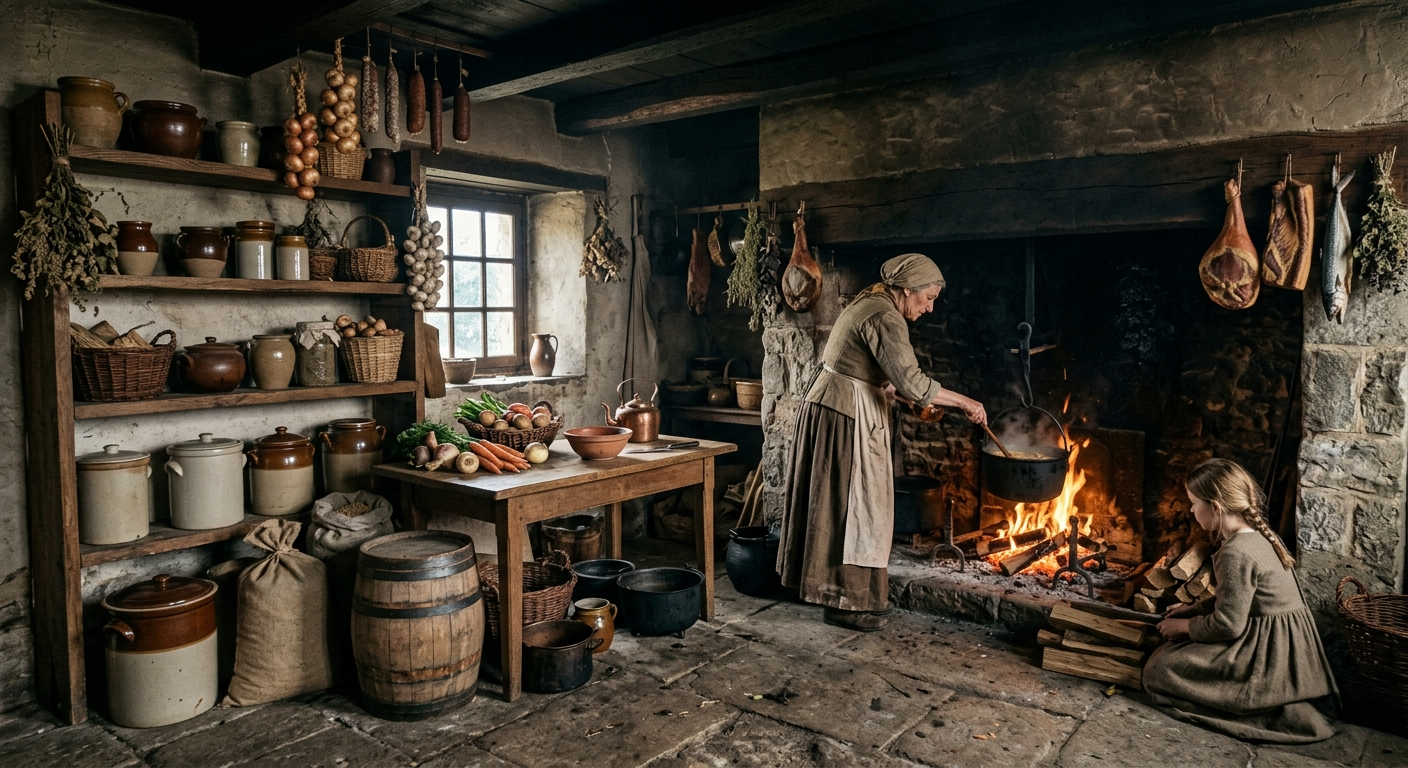
Salted meats hung to dry, root vegetables stored in barrels, and herbs air-drying. This was the original food safety system.
The comeback of old wisdom with new techThe newest wave of food innovation is not actually moving away from traditional logic; it is formalising it with better tools. Smart packaging now has biosensors that can detect spoilage in real time, which is what an experienced elder in a pre-modern kitchen could do without thinking. Metal-organic frameworks and AI can work together to control gas and humidity levels in storage. It is like hanging herbs to dry in a cool, airy space, but with more technology.Even the microwave is getting a second look. People used to think it was a lazy way to save time. Still, now they see it as one of the best ways to quickly heat food without wasting energy, which aligns more with traditional thinking that cares about resources than the energy-hungry conventional oven.Why millennials and Gen Z are quietly reviving thisThere is a reason fermentation kits sell out, and sourdough became a pandemic hobby. Younger generations are drawn to food preservation not just because it is a trend, but also because they are worried about waste, cost, and the environment. Learning how to properly pickle, ferment, or even just salt and dry food connects us to a chain of knowledge that almost broke in the late 20th century.It was always possible to combine traditional preservation with sustainable farming. By using agroecological practices, farmers could cut down on chemicals and support natural water cycles. The approach not only produced raw materials ideal for storage methods such as drying and fermenting but also helped maintain soil fertility. The farmers could avoid relying on industrial solutions while ensuring they have food supplies that can be safely stored, even without modern packaging or refrigeration. Industrial food systems have never been able to replicate that closed loop fully.The takeawayFrom salt cellars to smart fridges, the goal has always been the same: keep food safe, reduce waste, and feed people well. Everything that came after was built on old methods. The most interesting things happening in modern food tech are basically honouring that foundation by making better tools.Maybe the most sustainable kitchen is not the one with the most gadgets, but the one whose owner actually understands what is happening inside it.