
After a big grocery run, you fill up the fridge, squeeze in that extra container, and call it a day. It seems like it works well, but what if all that packing is actually making your fridge work harder, costing you more money, and quietly breaking down its parts faster? Turns out, how you load your fridge matters a lot more than most of us realise.The hidden cost of a stuffed fridgeRefrigerators do not just keep things cold; they also run a heat-exchange cycle constantly, pulling heat from inside and pushing it out through coils at the back or bottom. The whole system starts to strain when airflow around those coils is blocked by tight cabinet fits, clutter near the vents, or just too much stuff.If the condenser cannot release heat properly, temperatures around the coils rise, and the compressor has to work harder to compensate. That means you use more energy, the motor wears out faster, and you get a higher electricity bill in the mail every month. It is the kind of thing that happens so slowly that you do not even notice it until you do.Built-in fridges have it harderThe problem is even more relevant if you have one of those sleek refrigerators that fits into the cabinets. The trade-off for those beautiful built-ins is that they do not let air flow through. Research published in the journal Energies has shown that built-in refrigerators have about 28.6% less airflow to the condenser than freestanding models. The air that reaches the condenser can be more than 10°C hotter than it should be.The compressor then uses about 43% more energy overall because it runs at a higher power output during its cycles, which averages out to over 50%. It is almost twice as much as a fridge with good air flow would use.
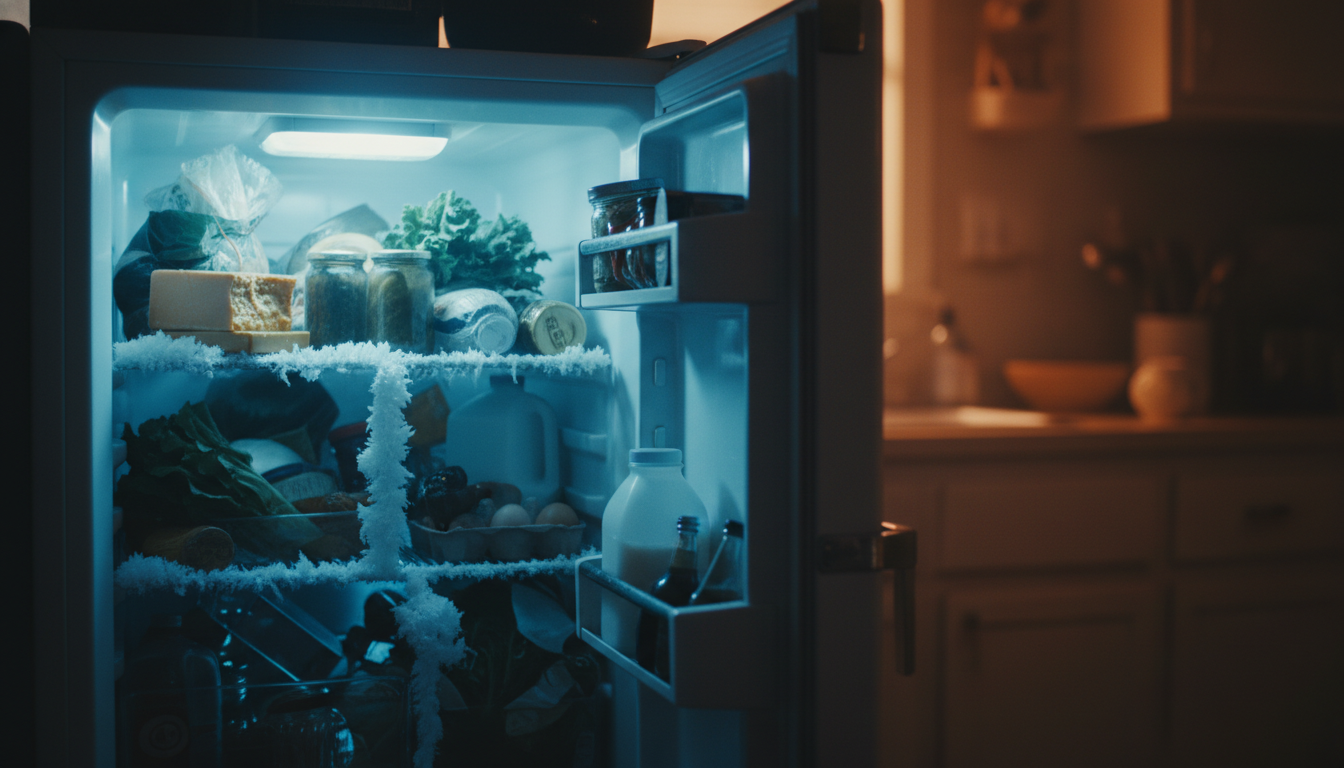
Overpacking your refrigerator strains its cooling system, leading to increased energy consumption and faster wear. Image Credits: Google Gemini
What overpacking really does insideOverstuffing your fridge, even if you do not have a built-in, causes problems from the inside out. Cold air cannot move freely when things are crammed together. You get hot spots, uneven cooling, and food spoiling faster in some areas while freezing in others. The compressor keeps working harder to bring everything down to temperature.What science is exploring and what you can do nowOne promising area involves phase-change materials, which absorb excess heat generated during the compressor’s active period and slowly release it when the compressor is not operating. According to the International Journal of Refrigeration, these devices can provide energy savings of up to 7.4%. However, these are engineering-level upgrades, not something you can DIY at home just yet.What you can do right now is surprisingly simple. You just need to leave some breathing room around your fridge’s condenser coils and avoid placing it too close to walls or installing it in confined spaces. You also need to clean the coils periodically, because dust buildup is like a warm blanket around the very part that is supposed to stay cool. Always keep your fridge away from heat sources like ovens or sunny windows, and use containers and organisers inside the fridge that allow air to circulate rather than blocking the shelves.The takeawayA properly loaded fridge is not just tidier; it is cheaper to run, easier on the appliance, and better for the food inside. So, next time you are playing with the leftovers and your grocery bags, remember that your fridge’s ability to do its job depends on airflow as much as it depends on electricity. Give it a little room to breathe, and it will return the favour on your energy bill.