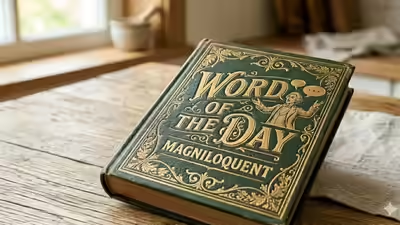
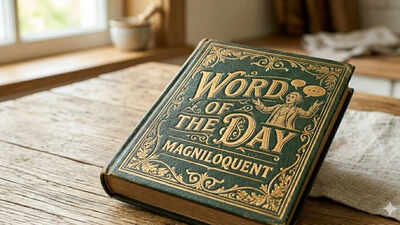
At times, the way something is expressed can sound far more exaggerated than the actual message. Some people tend to use grand or overly dramatic words to make their ideas seem more important or impactful than they truly are. This style of speaking or writing, which is rich, expressive, and sometimes excessive, is known as “magniloquent.”It highlights how language is not always used just to convey meaning, but also to influence how others perceive that meaning. Understanding this term can help identify when communication is focused more on style and impression rather than clarity and substance in everyday conversations and formal writing.
What does magniloquent mean
Magniloquent is a term that refers to speech or writing characterized by an inflated and pompous style. This style tends to be used to give ordinary concepts a sense of importance beyond their actual value.
Pronunciation of magniloquent
- Pronounced: mag-nil-oh-kwent
- Phonetic spelling: /mæɡˈnɪl.ə.kwənt/
- The stress falls on the second syllable, “NIL.”
Origin of the word magniloquent
This word is derived from the Latin term magniloquus, which combines the words magnus (meaning “great”) and loqui (meaning “to speak”). The word made its way into the English language during the 17th century, and it has since come to refer to speech or writing that carries a sense of grandness and formality in expression. This term draws attention to the fact that language itself can add to the importance of ideas.
How to use magniloquent in a sentence
- His magniloquent speech impressed the audience at first.
- The article was filled with magniloquent phrases.
- She avoided sounding magniloquent and kept her message simple.
- The politician’s magniloquent tone made the issue seem larger than it was.
Synonyms of magniloquent
- Grand
- Lofty
- Bombastic
- Pompous
Antonyms of magniloquent
- Simple
- Plain
- Modest
- Understated