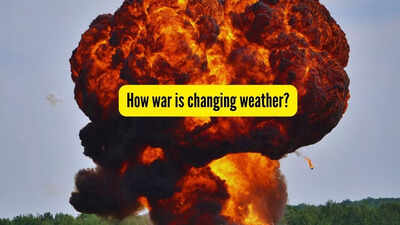
Former UN Secretary-General Ban Ki-moon once said that the environment was a “silent casualty of war.” When we say war, few things instantly come to mind. Life during the war, harm to humanity and nature are some of the most crucial aspects of any conflict. How it alters the environment and even the weather is a point of scientific discussions and studies. Major global media organizations and weather experts have highlighted that modern warfare does not only destroy cities and countries but also alters the atmosphere, pollutes and disrupts the climate system. Experts have documented myriad such incidents where warfare released hazardous pollutants into the atmosphere, affecting local weather, creating toxic fog and sometimes acid rain.
The science behind weather changes during war
As far as science is concerned, weather is shaped by atmospheric composition including moisture, temperature and airborne particles. When wars happen, all three are hampered.BombingExplosionsBurning fuelChemical releases These are the reasons behind pollutants like carbon monoxide, nitrogen oxides (NOx) and sulfur dioxide (SO₂) pollution in the air. As per several environmental research, military activity significantly increases greenhouse gas emissions and airborne toxins. This contributes to both short-term weather changes but climate change in the long term.
Toxic fog and deadly air
canva
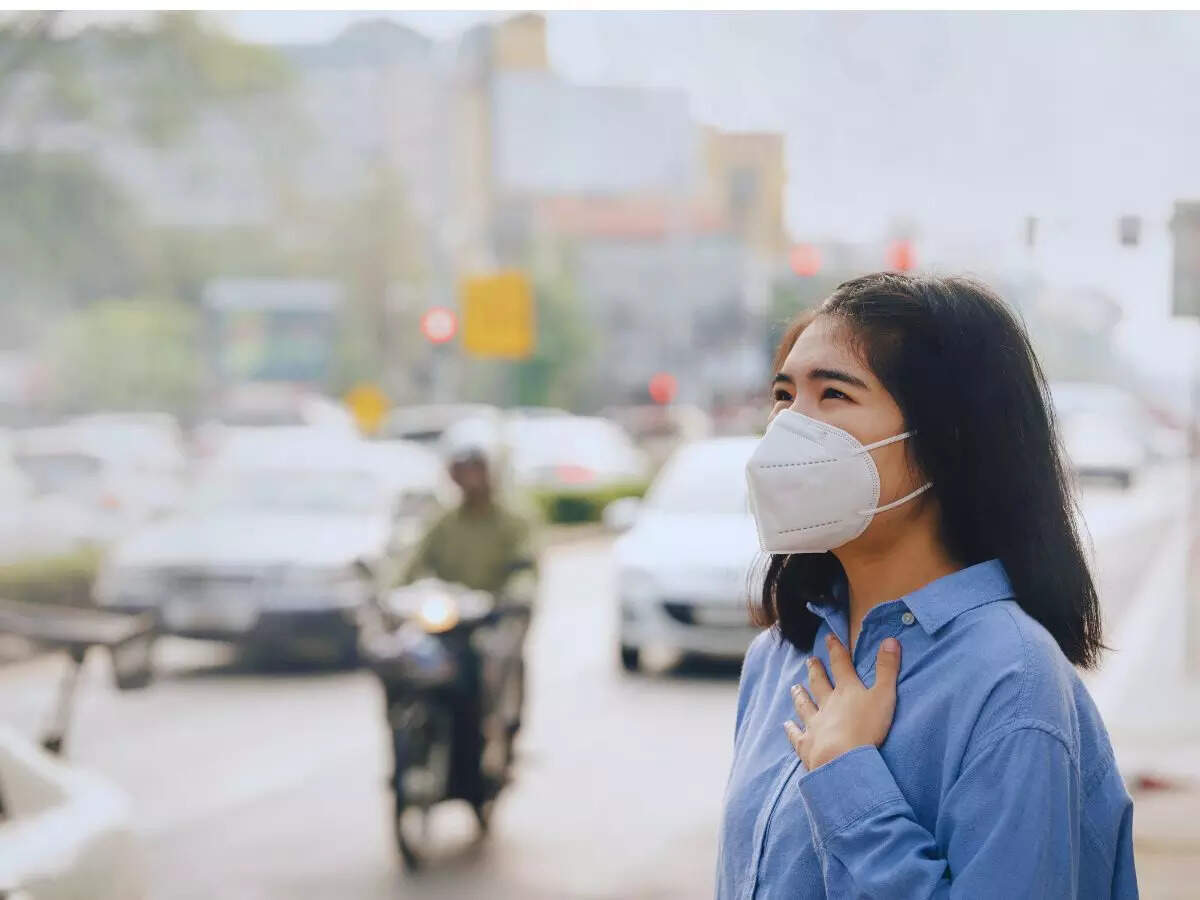
One of the most important effects of war on the weather is the formation of toxic fog. It is created by bombing and explosions that pollute the air. What happens during the warLarge-scale fires from oil wells and LPG industries or industrial facilities can create thick toxic smog and suffocating fogs which can stay for days or sometimes for weeks.A recent example comes from the Gulf War. The facilities and oil wells after bombing created fumes which turned morning skies into near darkness. Similar patterns have been observed in recent conflicts as well. Experts cited in international reporting have called such phenomena as “black skies” events, where pollution is so dense it changes local weather conditions.Acid Rain/Black Rain
Canva
Environmental journalists and experts have warned of black rain. One of the most recent examples of war altering weather came from Tehran as reported in The Guardian. “Black Rain” was reported following intense airstrikes on oil infrastructure which was an unusual phenomenon and a significant symbol of the environmental destruction unfolding during the war. Acid rain is another major weather-related consequence of war. It happens when sulfur dioxide (SO₂) and nitrogen oxides (NOx) released from continuous explosions react with water particles in the atmosphere and create sulfuric and nitric acids.Acidic rains falls can:

canva
Damage crops Pollute lakes, rivers and water used for drinkingHarm human and animal health in generalIn short, war is not just damaging cities or polluting the air, it can also change local weather patterns in the long run. If conditions don’t get stable, scientists have warned of a bigger impact on overall weather patterns and long-term climate consequences.